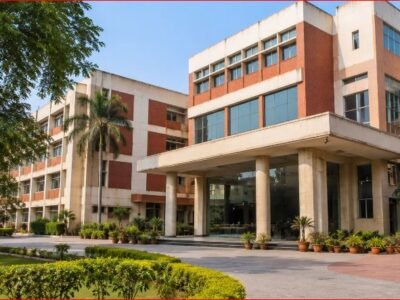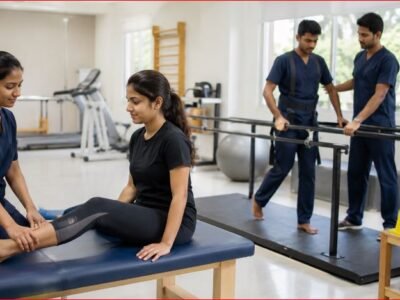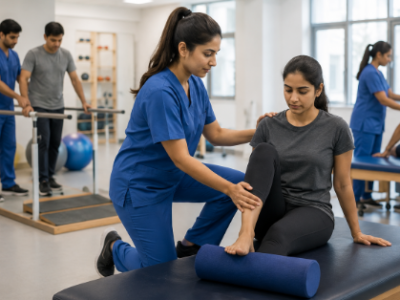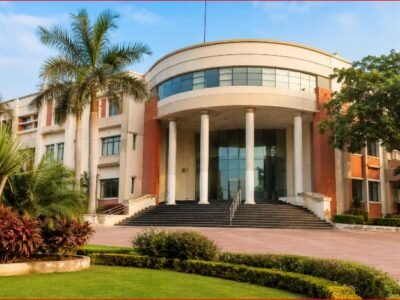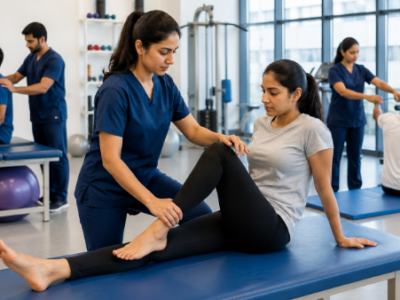
Abhinav Bindra Sports Medicine and Research Institute, Bhubaneswar, Odisha
College Type: Private
Total Tuition Fees: Rs. 5 L – 10 L
Courses Offered: 2 Courses
Exams Accepted: Based on Academic Merit Exams

The healthcare industry is expanding rapidly, and physiotherapy has become an essential part of modern treatment and rehabilitation. A Bachelor of Physiotherapy (BPT) is one of the most sought-after undergraduate programs for students interested in medical science, patient care, and non-surgical treatment methods.
This comprehensive guide covers everything you need to know about BPT, including course details, eligibility, subjects, and future scope.
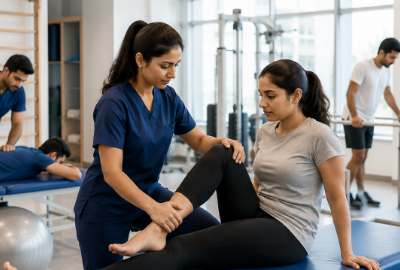
Bachelor of Physiotherapy (BPT) is a 4 to 4.5-year undergraduate degree program that focuses on physical therapy, rehabilitation, and improving mobility in patients suffering from injuries, illnesses, or disabilities.
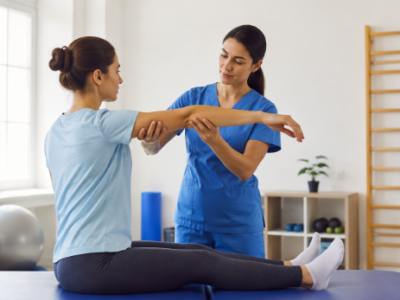
Physiotherapists use techniques such as:
They play a key role in helping patients recover without surgery or heavy medication.
Choosing BPT as a career option offers multiple advantages:
With increasing lifestyle disorders and injuries, physiotherapists are in high demand.
Physiotherapy focuses on natural healing methods rather than surgery.
You help patients recover and improve their quality of life.
Work in hospitals, sports teams, rehabilitation centers, and private clinics.
show more| Feature | Details |
|---|---|
| Course Name | Bachelor of Physiotherapy (BPT) |
| Duration | 4–4.5 Years (including internship) |
| Eligibility | 12th (PCB stream) |
| Admission Process | Merit-based / Entrance Exam |
| Average Fees | ₹1,00,000 – ₹5,00,000 per year |
| Course Level | Undergraduate |
| Internship | Mandatory |
| Career Roles | Physiotherapist, Rehab Specialist |
| Average Salary | ₹3 – ₹8 LPA |
Students must meet the following requirements:
Many colleges offer admission based on:
Some universities conduct entrance exams or accept state/national-level tests.
Private colleges may offer direct admission based on eligibility.
While BPT is a general degree, students can specialize later or gain exposure during the course.
| Specialization | Description | Career Scope |
|---|---|---|
| Orthopedic Physiotherapy | Bones, joints, and muscles | Hospitals, orthopedic clinics |
| Neurological Physiotherapy | Brain and nervous system disorders | Rehab centers, neuro clinics |
| Sports Physiotherapy | Sports injuries and performance | Sports teams, gyms |
| Pediatric Physiotherapy | Child development issues | Pediatric hospitals |
| Geriatric Physiotherapy | Elderly care | Old age homes, hospitals |
| Cardiopulmonary Physiotherapy | Heart and lung conditions | ICU, cardiac rehab |
| Community Physiotherapy | Public health and awareness | NGOs, community programs |
The BPT curriculum is comprehensive and includes both theory and practical training.
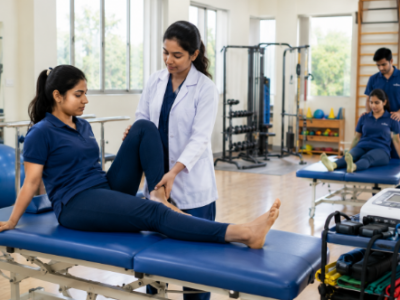
Students gain hands-on experience in:
A 6-month to 1-year internship is mandatory, where students:
To succeed in physiotherapy, students should develop:
Clear interaction with patients is essential.
Recovery takes time, and emotional support matters.
The job requires physical effort and long hours.
Diagnosing and planning treatments is important.
Some reputed institutions include:
The cost of pursuing BPT varies depending on the institution.
| Institution Type | Average Annual Fees |
|---|---|
| Government College | ₹1,00,000 – ₹2,00,000 |
| Private College | ₹2,00,000 – ₹5,00,000 |
Graduates can work in roles such as:
| Experience Level | Average Salary |
|---|---|
| Fresher | ₹3 – ₹5 LPA |
| 2–5 Years | ₹5 – ₹8 LPA |
| Experienced | ₹8 – ₹15 LPA |
The demand for physiotherapy is increasing due to:
After BPT, students can pursue:
BPT graduates can work in both clinical and non-clinical roles depending on their interests and specialization.
This is the most common and primary role.
Responsibilities:
Workplaces:
A popular career choice for those interested in sports and fitness.
Responsibilities:
Workplaces:
Focuses on patients with nervous system disorders.
Responsibilities:
Deals with bone, joint, and muscle conditions.
Responsibilities:
Works with children facing developmental issues.
Responsibilities:
Specializes in elderly care.
Responsibilities:
BPT offers strong career progression opportunities.
| Level | Role | Experience |
|---|---|---|
| Entry Level | Junior Physiotherapist | 0–2 Years |
| Mid-Level | Senior Physiotherapist | 2–5 Years |
| Advanced | Specialist Physiotherapist | 5–8 Years |
| Expert Level | Consultant / Clinic Owner | 8+ Years |
With MPT or certifications, growth becomes faster and more specialized.
BPT graduates are in demand across multiple sectors.
Advantages:
Opportunities in:
Advantages:
Opportunities in:
| Job Role | Average Salary (Per Year) |
|---|---|
| Physiotherapist | ₹3 – ₹6 LPA |
| Sports Physiotherapist | ₹4 – ₹8 LPA |
| Neuro Physiotherapist | ₹4 – ₹9 LPA |
| Orthopedic Physiotherapist | ₹4 – ₹8 LPA |
| Private Practitioner | ₹6 – ₹15 LPA |
BPT graduates have strong opportunities for self-employment.
With experience, you can establish a physiotherapy clinic.
Offer therapy sessions at patients’ homes.
Tele-rehabilitation is growing rapidly.
Additional certifications can significantly enhance your career.
After BPT, students can pursue:
Specializations include:
For leadership and administrative roles.
For research and academic careers.
Physiotherapy is globally recognized.
Requirements:
A physiotherapist’s daily routine includes:
Requires stamina and active work.
Handling patients in pain can be challenging.
Keeping up with new techniques is essential.
Case Study: From Graduate to Clinic Owner
Priya completed her BPT and started working in a hospital. After gaining experience and certifications, she opened her own physiotherapy clinic.
Today, she earns over ₹12 LPA and manages a team of therapists.
The demand is increasing due to:
Getting admission into a good college plays a major role in shaping your career.
Always ensure the institute is approved by:
A strong BPT college must provide:
Experienced faculty improves:
Look for:
Colleges with placement assistance help students start careers faster.
Admission process varies from college to college.
Students must keep the following ready:
BPT graduates are highly valued in the healthcare industry.
Internship is a critical part of BPT.
Many BPT graduates choose independent practice.
| Setup Type | Cost |
|---|---|
| Basic Clinic | ₹4–8 Lakhs |
| Advanced Clinic | ₹8–15 Lakhs |
| Feature | BPT | BSc Physiotherapy |
|---|---|---|
| Duration | 4–4.5 Years | 3–4 Years |
| Clinical Exposure | Extensive | Moderate |
| Internship | Mandatory & Long | Included |
| Career Scope | High | Moderate to Good |
| Recognition | Higher | Moderate |
Students should avoid:
Physiotherapy is a practical field—skills matter most.
Good communication improves career success.
Attend workshops and certification courses.
Your job requires strength and endurance.
The field is rapidly evolving.
A Bachelor of Physiotherapy (BPT) is one of the most promising healthcare degrees today. It offers a strong combination of clinical knowledge, practical training, and career flexibility.
With growing demand in hospitals, sports, rehabilitation, and wellness sectors, BPT graduates have excellent opportunities both in India and abroad.
If pursued with dedication, this course can lead to a highly respected, stable, and financially rewarding career in healthcare.
Bachelor of Physiotherapy (BPT) is a 4 to 4.5-year undergraduate degree that trains students in physical rehabilitation, movement science, and non-surgical treatment methods.
The course duration is usually 4 to 4.5 years, including compulsory internship training.
Students must have passed 12th with Physics, Chemistry, and Biology (PCB) from a recognized board, typically with 50%–60% marks.
Main subjects include:
Anatomy
Physiology
Biochemistry
Pathology
Pharmacology
Exercise Therapy
Electrotherapy
Biomechanics
BPT graduates can work as:
Physiotherapists
Sports Physiotherapists
Rehabilitation Specialists
Orthopedic Physiotherapists
Clinical Therapists