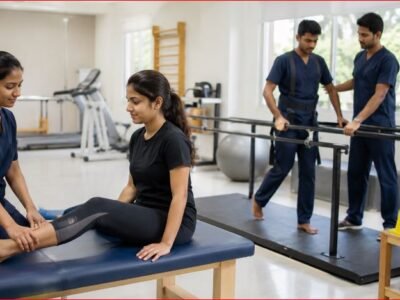
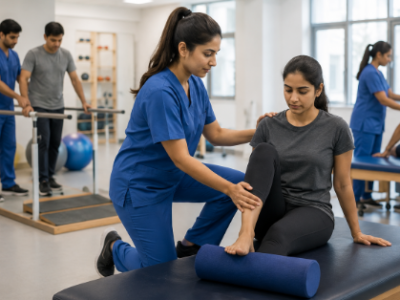
The healthcare and rehabilitation sector is growing rapidly, and physiotherapy has become one of the most important allied health sciences. After completing a Bachelor of Physiotherapy (BPT), many students choose to pursue a Master of Physiotherapy (MPT) to gain advanced clinical knowledge, specialization, and better career opportunities.
The MPT program is designed for students who want to deepen their expertise in treating complex physical conditions, working in specialized healthcare settings, or moving into teaching and research roles.
What is Master of Physiotherapy (MPT)?
Master of Physiotherapy (MPT) is a 2-year postgraduate degree program that focuses on advanced physiotherapy techniques, clinical practice, and specialized treatment areas.
Unlike undergraduate physiotherapy courses, MPT provides in-depth knowledge of diagnosis, rehabilitation planning, and advanced therapeutic methods.
Physiotherapists at this level deal with:
- Complex orthopedic conditions
- Neurological rehabilitation cases
- Sports injuries at professional level
- Post-surgical rehabilitation
- Chronic pain management
Why Choose MPT?
Pursuing MPT offers several academic and career advantages:
Advanced Knowledge
MPT helps students gain specialized expertise in specific areas of physiotherapy.
Better Career Opportunities
Postgraduates are eligible for higher-level positions in hospitals, clinics, and academic institutions.
Higher Salary Potential
MPT graduates generally earn significantly more than BPT holders.
Specialization Options
Students can choose focused fields like orthopedics, neurology, sports physiotherapy, etc.
Teaching and Research Opportunities
MPT is a gateway to becoming a lecturer or researcher in physiotherapy.
show moreCourse Highlights
| Feature | Details |
|---|---|
| Course Name | Master of Physiotherapy (MPT) |
| Course Level | Postgraduate |
| Duration | 2 Years |
| Eligibility | BPT Degree |
| Admission Process | Entrance Exam / Merit-based |
| Average Fees | ₹1,00,000 – ₹4,00,000 per year |
| Internship | Included in most programs |
| Career Roles | Physiotherapist, Lecturer, Consultant |
| Average Salary | ₹4 – ₹12 LPA |
Eligibility Criteria for MPT
Students must fulfill the following requirements:
Academic Qualification
- Must have completed Bachelor of Physiotherapy (BPT) from a recognized university
- Minimum marks requirement: 50%–60% (varies by institute)
Internship Requirement
- Some colleges require completion of compulsory internship before admission
Entrance Exams
- Many universities conduct entrance exams for admission
Admission Process
Entrance-Based Admission
Most reputed colleges admit students through:
- University entrance exams
- State-level postgraduate medical exams
Merit-Based Admission
Some private institutions offer admission based on:
- BPT marks
Direct Admission
Limited private colleges may offer direct admission based on eligibility.
MPT Specializations
One of the biggest advantages of MPT is specialization. Students can choose a focused area of study.
| Specialization | Description | Career Scope |
|---|---|---|
| Orthopedic Physiotherapy | Bones, joints, musculoskeletal system | Hospitals, orthopedic clinics |
| Neurological Physiotherapy | Brain and nervous system disorders | Neuro rehab centers |
| Sports Physiotherapy | Athletic injuries and performance | Sports teams, fitness centers |
| Cardiopulmonary Physiotherapy | Heart and lung rehabilitation | ICU, cardiac rehab units |
| Pediatric Physiotherapy | Child development and disorders | Pediatric hospitals |
| Geriatric Physiotherapy | Elderly care and mobility issues | Old age homes, hospitals |
| Community Physiotherapy | Public health rehabilitation | NGOs, rural health programs |
Subjects Covered in MPT
The MPT curriculum is highly advanced and research-oriented.
Core Subjects
- Advanced Anatomy
- Advanced Physiology
- Biomechanics and Kinesiology
- Exercise Physiology
- Pathophysiology
- Clinical Orthopedics
- Neurological Sciences
Specialized Subjects
- Advanced Electrotherapy
- Manual Therapy Techniques
- Evidence-Based Physiotherapy
- Research Methodology
- Rehabilitation Science
Practical Training in MPT
MPT focuses heavily on clinical and research-based training.
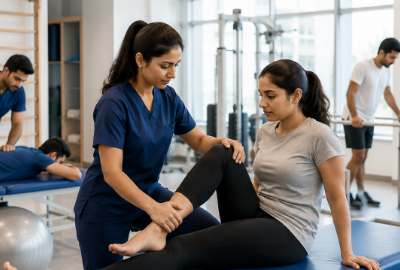
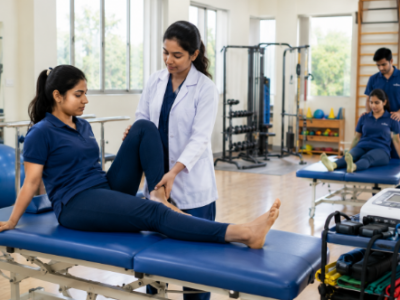
Clinical Practice
Students work with:
- Complex rehabilitation cases
- Post-surgical patients
- Neurological disorder patients
Research Work
Students are required to:
- Conduct research projects
- Write dissertations
- Analyze clinical data
Skills Required for MPT Students
To succeed in MPT, students must develop advanced skills.
Clinical Skills
Ability to assess and treat complex cases.
Research Skills
Understanding medical research and data analysis.
Communication Skills
Explaining treatment plans to patients clearly.
Decision-Making Skills
Choosing appropriate therapy techniques.
Top Colleges Offering MPT in India
Some reputed institutions include:
- Christian Medical College (CMC)
- Manipal College of Health Professions
- Jamia Hamdard University
- SRM Institute of Science and Technology
- Government medical universities
Fee Structure
The fee varies depending on college type.
| Institution Type | Average Annual Fees |
|---|---|
| Government College | ₹50,000 – ₹1,50,000 |
| Private College | ₹1,50,000 – ₹4,00,000 |
Career Opportunities After MPT
MPT graduates have excellent career prospects.
Job Roles
- Senior Physiotherapist
- Clinical Specialist
- Sports Physiotherapist
- Rehabilitation Consultant
- Lecturer / Professor
Employment Areas
- Hospitals
- Rehabilitation centers
- Sports academies
- Colleges and universities
- Private clinics
Salary After MPT
| Experience Level | Average Salary |
|---|---|
| Fresher | ₹4 – ₹6 LPA |
| Mid-Level | ₹6 – ₹10 LPA |
| Senior Level | ₹10 – ₹18 LPA |
Future Scope of MPT
The demand for physiotherapists is increasing due to:
- Rise in lifestyle diseases
- Sports injuries
- Aging population
- Awareness of rehabilitation therapies
Higher Education Options
After MPT, students can pursue:
- PhD in Physiotherapy
- Research fellowships
- International certifications
- Healthcare management courses
Advanced Job Roles After MPT
MPT graduates are trained for expert-level responsibilities in physiotherapy practice.
Senior Physiotherapist
This is one of the most common roles after MPT.
Responsibilities:
- Handling complex patient cases
- Designing advanced rehabilitation programs
- Supervising junior physiotherapists
- Coordinating with doctors and surgeons
Workplaces:
- Multi-specialty hospitals
- Private clinics
- Rehabilitation centers
Clinical Specialist Physiotherapist
A highly specialized role focused on a specific area like orthopedics or neurology.
Responsibilities:
- Treating advanced-stage patients
- Managing long-term rehabilitation cases
- Providing expert consultation
Sports Physiotherapy Specialist
A fast-growing and high-demand career path.
Responsibilities:
- Treating professional athletes
- Injury prevention programs
- Performance enhancement strategies
- On-field emergency care
Workplaces:
- Sports academies
- National teams
- Fitness organizations
Neurological Rehabilitation Specialist
Focuses on brain and nervous system disorders.
Responsibilities:
- Stroke rehabilitation
- Spinal cord injury management
- Motor function restoration
Orthopedic Physiotherapy Specialist
Deals with musculoskeletal disorders.
Responsibilities:
- Post-fracture rehabilitation
- Joint replacement recovery
- Arthritis and chronic pain management
Lecturer / Assistant Professor
MPT graduates can enter academia.
Responsibilities:
- Teaching physiotherapy students
- Conducting clinical demonstrations
- Research and publications
Career Growth Path in MPT
MPT provides a strong professional growth ladder.
| Level | Role | Experience |
|---|---|---|
| Entry Level | Junior Physiotherapist | 0–2 Years |
| Mid Level | Senior Physiotherapist | 2–5 Years |
| Advanced | Specialist Physiotherapist | 5–8 Years |
| Expert Level | Consultant / Head Physiotherapist | 8+ Years |
| Academic Path | Lecturer / Professor | 3–10 Years |
Industries Hiring MPT Graduates
MPT professionals are in demand across multiple sectors.
Healthcare Industry
- Multi-specialty hospitals
- Orthopedic centers
- Neurology clinics
- Rehabilitation hospitals
Sports Industry
- Professional sports teams
- Sports academies
- Athletic training centers
Academic Institutions
- Colleges and universities
- Research institutions
Corporate Wellness Sector
- Employee health programs
- Ergonomic consulting
Private Practice
- Independent physiotherapy clinics
- Home care services
Government vs Private Sector Careers
Government Sector
Advantages:
- Job security
- Fixed working hours
- Pension benefits
Job Areas:
- Government hospitals
- Defense medical units
- Public health departments
Private Sector
Advantages:
- Higher salary potential
- Faster promotions
- Better specialization exposure
Job Areas:
- Private hospitals
- Specialty clinics
- Sports organizations
Salary After MPT
MPT significantly increases earning potential compared to BPT.
| Job Role | Average Salary (Per Year) |
|---|---|
| Senior Physiotherapist | ₹4 – ₹8 LPA |
| Clinical Specialist | ₹6 – ₹12 LPA |
| Sports Physiotherapist | ₹6 – ₹15 LPA |
| Lecturer | ₹5 – ₹10 LPA |
| Consultant / Private Practice | ₹8 – ₹20 LPA |
Freelancing and Private Practice Opportunities
MPT graduates can work independently with high earning potential.
Own Physiotherapy Clinic
- Provide specialized treatments
- Build patient trust
- Scale into multi-specialty center
Home-Based Physiotherapy
- Treat patients at home
- Elderly care services
- Post-surgery recovery support
Online Physiotherapy Consultation
- Virtual rehabilitation programs
- Telehealth services
- Remote patient monitoring
International Career Opportunities
MPT is highly valued globally.
Countries with High Demand
- Canada
- Australia
- United Kingdom
- Germany
- UAE
Requirements Abroad
- Licensing exams (country-specific)
- English proficiency tests
- Credential evaluation
Daily Work Routine of an MPT Professional
A typical day may include:
- Patient assessment and diagnosis
- Designing advanced therapy plans
- Conducting rehabilitation sessions
- Reviewing patient progress
- Coordinating with medical teams
Work-Life Balance
- Hospital jobs: Structured schedule
- Private practice: Flexible but demanding
- Academic roles: Balanced with research
Challenges in MPT Career
High Responsibility
Dealing with complex and critical cases.
Continuous Learning
Need to stay updated with new therapies and technologies.
Physical Demands
Long hours of patient interaction and manual therapy.
Real-Life Career Example
Case Study: From MPT Graduate to Specialist Consultant
After completing MPT in Neurology, Dr. Ravi joined a rehabilitation hospital. Over 6 years, he specialized in stroke rehabilitation and later became head of the department.
Today, he earns over ₹15 LPA and also conducts training programs for physiotherapists.
Demand for MPT Professionals in India
The demand is growing due to:
- Increasing lifestyle disorders
- Rise in sports injuries
- Aging population
- Awareness of rehabilitation care
Future Trends in Physiotherapy
Key Developments
- AI-based rehabilitation systems
- Robotic physiotherapy devices
- Tele-rehabilitation platforms
- Data-driven treatment planning
Career Success Tips
- Choose a strong specialization
- Focus on clinical experience
- Build patient communication skills
- Publish research papers
- Attend workshops and certifications
Smart Admission Tips for MPT Students
Choosing the right college for MPT is crucial for your career growth.
Choose a Recognized University
Ensure the institute is approved by:
- UGC (University Grants Commission)
- Relevant health sciences authorities
- State or central universities
Focus on Specialization Availability
Select a college that offers your preferred specialization such as:
- Orthopedics
- Neurology
- Sports Physiotherapy
Check Clinical Exposure
Good colleges must provide:
- Hospital-based training
- Real patient exposure
- Advanced rehabilitation labs
Research Facilities Matter
Since MPT includes research work:
- Check dissertation support
- Availability of journals and labs
Placement Assistance
Colleges with strong placement records help you:
- Get hospital jobs faster
- Enter academic roles
- Build professional networks
Entrance Exams for MPT
Admission is mostly entrance-based in reputed institutions.
Common Admission Methods
- University entrance exams
- State-level postgraduate medical exams
- Merit-based admission (limited colleges)
Subjects to Prepare
- BPT core subjects (Anatomy, Physiology, Biomechanics)
- Clinical physiotherapy concepts
- Research methodology basics
Documents Required for Admission
Students must keep the following ready:
- BPT Degree Certificate
- Internship Completion Certificate
- All semester mark sheets
- Identity proof (Aadhar/PAN)
- Passport-size photographs
- Migration certificate (if required)
Top Recruiters for MPT Graduates
MPT graduates are highly valued in both clinical and academic sectors.
Hospitals and Healthcare Chains
- Multi-specialty hospitals
- Orthopedic hospitals
- Neurology centers
- Rehabilitation institutes
Sports Organizations
- National sports teams
- Cricket academies
- Football clubs
- Athletic training centers
Academic Institutions
- Physiotherapy colleges
- Universities
- Research institutions
Corporate Wellness Sector
- IT companies
- Corporate hospitals
- Employee health programs
Private Practice
- Independent clinics
- Home care services
- Specialized rehabilitation centers
Internship and Clinical Exposure
Internship experience plays a vital role in shaping expertise.
Importance of Internship
- Real patient handling
- Advanced clinical decision-making
- Exposure to complex cases
- Professional confidence
Internship Areas
- Hospitals
- Rehab centers
- Sports training facilities
How to Start Your Own Physiotherapy Clinic After MPT
Many MPT graduates aim for independent practice.
Steps to Start Clinic
- Gain 2–5 years of experience
- Select specialization-focused services
- Register clinic legally
- Invest in advanced equipment
- Build referral network
Estimated Investment
| Setup Type | Cost |
|---|---|
| Basic Clinic | ₹5–10 Lakhs |
| Advanced Rehab Center | ₹10–25 Lakhs |
Essential Equipment for Clinic Setup
- Electrotherapy machines
- Advanced rehabilitation equipment
- Manual therapy tools
- Exercise therapy units
- Balance and gait training systems
Difference Between MPT and BPT
| Feature | MPT | BPT |
|---|---|---|
| Level | Postgraduate | Undergraduate |
| Duration | 2 Years | 4–4.5 Years |
| Specialization | Advanced | Basic |
| Salary | Higher | Moderate |
| Roles | Specialist, Consultant | Physiotherapist |
Common Mistakes to Avoid
Students should avoid:
- Choosing unrecognized colleges
- Ignoring specialization options
- Not focusing on research work
- Skipping clinical training seriously
- Expecting high salary immediately
Expert Tips for Success in MPT
Choose the Right Specialization
Your specialization defines your career path.
Focus on Clinical Skills
Hands-on expertise is more valuable than theory alone.
Build Research Profile
Publications and dissertations improve academic opportunities.
Network with Professionals
Connections help in job placements and internships.
Stay Updated
New technologies and rehab methods are evolving rapidly.
Future Trends in Physiotherapy
The field is rapidly transforming with technology.
Key Innovations
- AI-based rehabilitation systems
- Robotic physiotherapy devices
- Virtual reality therapy
- Tele-rehabilitation platforms
- Data-driven treatment planning
Final Thoughts
A Master of Physiotherapy (MPT) is an advanced, specialized, and highly rewarding healthcare degree. It provides opportunities in clinical practice, research, teaching, and international healthcare systems.
With growing demand for rehabilitation services worldwide, MPT professionals are becoming essential contributors to modern medicine. The degree offers not only financial growth but also the satisfaction of helping people recover and improve their quality of life.
FAQs:
MPT is a 2-year postgraduate degree that provides advanced training in physiotherapy, clinical practice, and specialization in different medical areas.
The course duration is 2 years, including theoretical learning, clinical training, and research work.
Candidates must have completed a Bachelor of Physiotherapy (BPT) from a recognized university.
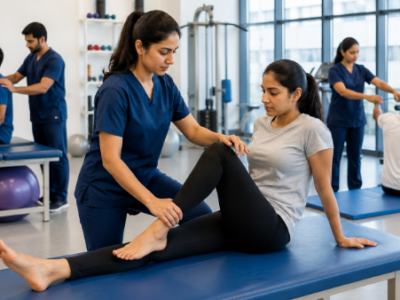
Common specializations include:
Orthopedic Physiotherapy
Neurological Physiotherapy
Sports Physiotherapy
Cardiopulmonary Physiotherapy
Pediatric Physiotherapy
MPT graduates can work as:
Senior Physiotherapists
Clinical Specialists
Sports Physiotherapists
Lecturers / Professors
Rehabilitation Consultants