Coimbatore Institute of Technology, Coimbatore, Tamil Nadu
College Type: Autonomous
Total Tuition Fees: Rs. 5 L – 10 L
Courses Offered: 3 Courses
Exams Accepted: 3 Exams

A Diploma in Engineering is one of the most practical and career-oriented educational programs available after secondary school. Unlike traditional academic degrees that often emphasize theoretical knowledge, diploma programs focus heavily on applied skills, hands-on training, and industry readiness. This makes them especially attractive to students who want to enter the workforce early or gain technical expertise before pursuing higher education.
In many countries, including India, diploma courses are typically offered by polytechnic institutes and technical boards. These programs usually span three years (or two years for lateral entry students who have completed relevant schooling or ITI training). The goal is to create skilled technicians, junior engineers, and supervisors who can contribute directly to industrial, manufacturing, and technological sectors.
A Diploma in Engineering is a technical certification program that provides foundational and intermediate knowledge in a specific engineering field. It bridges the gap between basic education and professional engineering degrees like B.Tech or BE.
Key characteristics include:
Students can choose from a wide range of specializations depending on their interests and career goals. Some of the most popular branches include:
| Branch | Description | Career Scope |
|---|---|---|
| Civil Engineering | Focuses on construction, infrastructure, and structural design | Site engineer, supervisor, contractor |
| Mechanical Engineering | Deals with machines, manufacturing, and thermal systems | Maintenance engineer, production technician |
| Electrical Engineering | Covers electrical systems, circuits, and power generation | Electrician, technician, power plant operator |
| Computer Engineering | Involves programming, networking, and computer hardware | Software support, IT technician |
| Electronics Engineering | Focuses on electronic circuits, communication systems | Electronics technician, telecom assistant |
| Automobile Engineering | Deals with vehicle design, maintenance, and repair | Automobile technician, service advisor |
| Chemical Engineering | Focuses on chemical processes and industrial production | Plant operator, lab technician |
| Information Technology | Covers software basics, databases, and networking | IT support, junior developer |
The eligibility requirements for enrolling in a diploma engineering program are generally straightforward:
For lateral entry (direct admission to the second year):
The admission process varies slightly depending on the region and institution, but typically involves the following steps:
Diploma engineering programs are designed to balance theory and practice. The curriculum typically includes:
A simplified overview:
| Year | Focus Area | Key Learning Components |
|---|---|---|
| First | Foundation | Basic science, engineering basics, workshop skills |
| Second | Core Technical Knowledge | Branch-specific subjects, lab work |
| Third | Advanced Topics and Industry Exposure | Projects, internships, specialization |
A diploma in engineering is not just about technical knowledge—it also helps students develop a variety of practical and professional skills:
Choosing a diploma program offers several benefits:
While diploma programs have many advantages, there are some limitations:
However, these challenges can be managed with experience and further education.
This program is ideal for students who:
The syllabus of a Diploma in Engineering is designed to gradually build a student’s knowledge from basic concepts to advanced technical skills. While the exact subjects vary depending on the branch, the overall structure remains similar across most institutions.
In the initial stage, students are introduced to foundational subjects that are essential for all engineering disciplines. These subjects help in developing analytical thinking and understanding of scientific principles.
Core foundational subjects include:
As students progress, the curriculum becomes more specialized according to their chosen branch.
Below is a simplified representation of subjects taught in different branches:
| Branch | Important Subjects |
|---|---|
| Civil Engineering | Surveying, Building Materials, Structural Engineering, Environmental Engineering |
| Mechanical Engineering | Thermodynamics, Fluid Mechanics, Machine Design, Manufacturing Processes |
| Electrical Engineering | Circuit Theory, Electrical Machines, Power Systems, Control Systems |
| Computer Engineering | Programming (C/C++/Java), Data Structures, Database Management, Networking |
| Electronics Engineering | Digital Electronics, Microprocessors, Communication Systems, VLSI Design |
| Automobile Engineering | Engine Systems, Vehicle Dynamics, Automobile Maintenance, Fuel Technology |
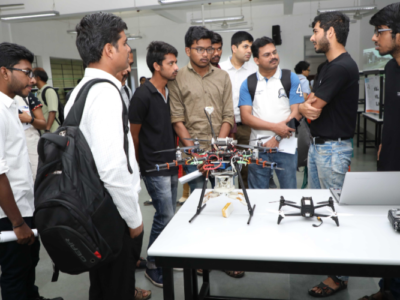
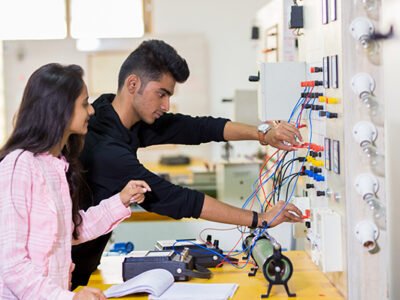
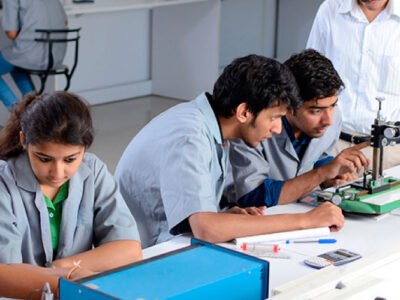
Practical exposure is a key component of diploma engineering programs. Students spend significant time in laboratories and workshops where they perform experiments, operate machinery, and work on real-life problems.
Important components include:
This hands-on approach ensures that diploma holders are job-ready immediately after completing their course.
India has a wide network of polytechnic colleges offering diploma courses in engineering. These institutions are run by central government, state governments, and private organizations.
Some well-known institutions include:
Admission to these colleges may depend on entrance exams or merit-based selection conducted by state technical boards.
The cost of pursuing a Diploma in Engineering is relatively affordable compared to degree programs. Fees vary depending on whether the institution is government-funded or privately owned.
| Type of Institution | Approximate Annual Fees |
|---|---|
| Government Polytechnic | ₹5,000 – ₹25,000 |
| Private Polytechnic | ₹30,000 – ₹1,00,000 |
Additional expenses may include books, accommodation, and examination fees.
To make technical education accessible, various scholarships and financial aid schemes are available for diploma students in India.
Some popular schemes include:
These financial supports help reduce the burden on students and encourage them to complete their education.
Many students are often confused between pursuing a diploma or directly enrolling in a degree program. Both options have their own advantages.
| Aspect | Diploma in Engineering | B.Tech / BE |
|---|---|---|
| Duration | Three years | Four years |
| Entry Requirement | After 10th grade | After 12th grade |
| Focus | Practical and skill-based | Theoretical and conceptual |
| Cost | Lower | Higher |
| Career Start | Early | Slightly delayed |
| Higher Education | Lateral entry available | Direct advanced opportunities |
Industrial exposure plays a crucial role in shaping the career of diploma students. It bridges the gap between classroom learning and real-world application.
Benefits include:
Many institutions have tie-ups with industries for internships and training programs.
With rapid technological advancement, diploma programs are also evolving. New-age specializations and updated curricula are being introduced to match industry demands.
Some emerging areas include:
A Diploma in Engineering opens up a wide range of career opportunities across various industries. Since the program emphasizes practical skills, diploma holders are often ready to take on technical roles immediately after completing their studies.
Industries that commonly hire diploma engineers include:
Diploma holders are valued for their hands-on experience, making them suitable for operational and supervisory roles.
After completing a diploma, students can explore multiple job roles depending on their specialization. Some of the most common roles include:
| Job Role | Description |
|---|---|
| Junior Engineer | Assists senior engineers in design, execution, and maintenance tasks |
| Technician | Handles equipment, machinery, and technical operations |
| Supervisor | Oversees daily operations and workforce in industries |
| CAD Operator | Prepares technical drawings using computer software |
| Maintenance Engineer | Ensures proper functioning of machines and systems |
| Quality Control Inspector | Checks product quality and ensures standards are maintained |
| IT Support Executive | Manages computer systems and provides technical support |
| Field Service Engineer | Works on-site to install, repair, and maintain equipment |
These roles provide a strong starting point for building a long-term career in engineering.
Salary for diploma holders varies depending on factors such as industry, location, skills, and experience.
| Experience Level | Average Salary (India) |
|---|---|
| Freshers | ₹1.5 LPA – ₹3 LPA |
| 2–5 Years | ₹3 LPA – ₹6 LPA |
| 5+ Years | ₹6 LPA – ₹10 LPA or more |
Key factors influencing salary:
With time and skill development, diploma holders can significantly increase their earning potential.
Government jobs are a popular choice due to job security, benefits, and stable career growth. Diploma holders are eligible for various technical and non-technical roles in government sectors.
Popular recruiters include:
Common government job roles:
Recruitment is usually done through competitive exams conducted by central or state authorities.
The private sector offers a wide variety of job opportunities with faster growth and exposure to modern technologies.
Top private employers include:
Advantages of private sector jobs:
Diploma holders are not limited to entry-level jobs—they also have excellent opportunities for further education.
One of the most popular options is lateral entry, where students can directly join the second year of a B.Tech or BE program.
Benefits:
Students can also pursue specialized certifications in areas such as:
Diploma engineers also have the option to start their own business or work independently. With technical knowledge and practical skills, they can establish small-scale industries or service-based businesses.
Examples include:
Entrepreneurship requires additional skills such as business management, financial planning, and marketing, but it offers independence and high earning potential.
To succeed in the competitive job market, diploma holders should continuously upgrade their skills.
Important skills to focus on:
Certifications and short-term courses can significantly enhance career prospects.
While there are many opportunities, diploma holders may face certain challenges:
However, with determination and the right strategy, these challenges can be overcome.
The future of diploma engineering is promising, especially with the growth of industries such as:
As industries expand, the demand for skilled technicians and engineers continues to rise.
Selecting the right branch is one of the most important decisions for a student pursuing a diploma in engineering. This choice directly affects career opportunities, job satisfaction, and future growth.
Some important factors to consider:
Students should choose a branch based on what genuinely interests them. For example, someone who enjoys working with machines may prefer mechanical engineering, while a student interested in computers may choose computer or IT-related fields.
Different branches offer different job prospects. Fields like computer engineering, electrical engineering, and civil engineering often have high demand in the job market.
Each branch requires specific skills. For instance:
Students should consider long-term growth and emerging technologies before making a decision.
Success after a diploma depends not just on the qualification, but also on how students plan their careers.
Since diploma programs are skill-based, mastering practical knowledge is essential. Students should actively participate in workshops, labs, and projects.
Internships provide real-world experience and improve employability. Many companies prefer candidates who already have industry exposure.
Pursuing higher education like B.Tech through lateral entry can significantly improve career opportunities.
Keeping up with modern tools and technologies such as automation, programming, or design software is important.
Students should highlight their projects, skills, and training experiences clearly.
A clear understanding of the pros and cons helps students make informed decisions.
| Advantages | Disadvantages |
|---|---|
| Early entry into the workforce | Limited growth without higher education |
| Cost-effective education | Lower starting salary in some cases |
| Practical and skill-oriented learning | Competition with degree holders |
| Flexible career path (job or further studies) | Need for continuous skill development |
| High demand in technical industries | Fewer opportunities in managerial roles initially |
To make the most of a diploma program, students should follow some essential tips:
Various organizations play an important role in regulating and supporting technical education in India.
Some key bodies include:
These organizations ensure quality education, provide funding, and promote skill development initiatives.
The future of diploma engineering is closely linked to industrial growth and technological advancement. With initiatives like infrastructure development, digital transformation, and skill-based training, the demand for diploma holders is expected to grow steadily.
Key growth areas include:
Diploma engineers will continue to play a vital role in these sectors due to their practical expertise.
A Diploma in Engineering is a valuable and practical educational pathway for students who want to build a career in technical fields. It offers a strong foundation, early job opportunities, and flexibility for further studies.
While there may be some limitations compared to degree programs, these can be overcome through continuous learning, skill development, and determination. With the right approach, diploma holders can achieve significant career growth and success.
Overall, this program is an excellent choice for students who are eager to learn by doing, enter the workforce early, and gradually build a rewarding career in engineering.
A Diploma in Engineering is a technical course that focuses on practical and skill-based learning in various engineering fields. It prepares students for entry-level jobs in industries or further studies.
Students who have completed their 10th grade (secondary school) from a recognized board are eligible. Some institutes may require Mathematics and Science as compulsory subjects.
Some popular and in-demand branches include:
Civil Engineering
Mechanical Engineering
Electrical Engineering
Computer Engineering
Electronics Engineering
The best branch depends on your interest and career goals.
A diploma is not necessarily better than B.Tech, but it is more practical and shorter. B.Tech offers deeper theoretical knowledge and better long-term career growth. Both have their own advantages.
You can work as:
Junior Engineer
Technician
Supervisor
CAD Operator
IT Support Executive
Job roles depend on your branch and skills.
Freshers usually earn between ₹1.5 lakh to ₹3 lakh per year. With experience, salary can increase significantly.