Anjaneya Ayurved College & Hospital, Nashik, Maharastra
College Type: Private
Total Tuition Fees: Rs. 5 L – 10 L
Courses Offered: 2 Courses
Exams Accepted: 2 Exams

Ayurveda, one of the world’s oldest holistic healing systems, has gained immense popularity in recent years due to the increasing preference for natural and preventive healthcare. Originating in India, Ayurveda focuses on balancing the body, mind, and spirit to achieve overall wellness.
A Certificate in Ayurveda is a short-term course designed to introduce students to the fundamental principles of Ayurvedic medicine, herbal treatments, lifestyle management, and natural healing techniques. This program is ideal for those who want to build a career in alternative medicine or enhance their knowledge of traditional healthcare systems.
A Certificate in Ayurveda is a foundational course that provides basic knowledge of Ayurvedic concepts, therapies, and practices. It is suitable for beginners as well as professionals who wish to explore natural healing methods.
The course focuses on:
The teachings are based on ancient Ayurvedic texts such as the Charaka Samhita and Sushruta Samhita, which form the foundation of Ayurvedic science.
show moreThe duration of a Certificate in Ayurveda typically ranges from:
The course structure includes both theoretical and practical learning:
Some institutions also offer online certification programs for flexibility.
The eligibility requirements for a Certificate in Ayurveda are simple and accessible:
This makes the course suitable for students, working professionals, and wellness enthusiasts.
Admission to Certificate in Ayurveda courses is generally straightforward:
Most institutes offer admission based on merit without entrance exams.
Many platforms allow direct online registration for certification programs.
Some institutes provide counseling sessions to help students choose the right course.
Ayurveda is based on the concept of three doshas:
Balancing these doshas is essential for maintaining health.
A detoxification process that helps remove toxins from the body and restore balance.
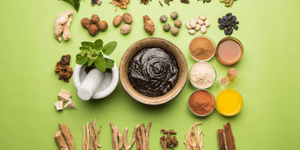
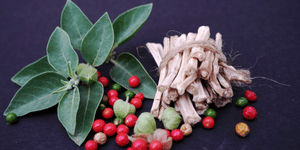
Use of natural herbs and plant-based formulations for treatment and prevention.
Diet plays a crucial role in Ayurveda, with emphasis on body type-specific nutrition.
Students can choose from various specialization areas based on their interests and career goals.
| Specialization | Description | Career Scope |
|---|---|---|
| Ayurvedic Nutrition | Focus on diet planning based on doshas | Nutritionist, Wellness Coach |
| Panchakarma Therapy | Detoxification and rejuvenation treatments | Panchakarma Therapist |
| Herbal Medicine | Study of medicinal plants and formulations | Herbal Practitioner |
| Ayurvedic Massage | Therapeutic massage techniques | Massage Therapist |
| Yoga and Ayurveda | Integration of yoga with Ayurvedic healing | Yoga Instructor |
| Beauty and Wellness | Ayurvedic skincare and beauty treatments | Wellness Consultant |
To succeed in Ayurveda, students should develop:
With rising lifestyle diseases and stress-related disorders, Ayurveda is becoming an important part of modern healthcare.
It emphasizes:
Organizations like the Ministry of AYUSH promote Ayurveda and other traditional systems in India.
After completing the course, students can explore entry-level roles such as:
Many professionals also start their own wellness centers or consultancy services.
Ayurveda is not limited to India; it is gaining recognition globally.
Countries where Ayurveda is popular include:
This opens up international career opportunities for certified professionals.
The future of Ayurveda looks promising due to:
Ayurveda is becoming a preferred choice for preventive healthcare worldwide.
After completing a Certificate in Ayurveda, candidates can explore entry-level and skill-based roles in the wellness industry. While it is not equivalent to a full professional degree like BAMS, it provides a strong foundation for practical and entrepreneurial careers.
The increasing focus on preventive healthcare has significantly boosted demand for Ayurveda professionals.
Ayurvedic therapists perform treatments such as massages, detox therapies, and relaxation techniques.
Key Responsibilities:
Specialists in detox therapies, Panchakarma technicians work in clinics and wellness centers.
They assist in:
These professionals guide customers on Ayurvedic medicines and herbal products.
They often work with brands like Patanjali Ayurved and Dabur India.
Wellness consultants provide lifestyle and diet advice based on Ayurvedic principles.
They help clients:
Ayurveda-based spa therapists are in demand in luxury wellness resorts and hotels.
They perform:
Combining Ayurveda with yoga, professionals can guide individuals toward holistic health.
Luxury spas, resorts, and wellness retreats actively hire Ayurveda professionals.
Ayurvedic clinics and hospitals require trained therapists and assistants.
Companies dealing in herbal and natural products recruit advisors and consultants.
Wellness tourism is booming in India, especially in states like Kerala, known for Ayurvedic treatments.
Salary depends on skills, experience, and workplace.
| Job Role | Salary Range (Per Year) |
|---|---|
| Ayurvedic Therapist | ₹1.5 – ₹3 LPA |
| Panchakarma Technician | ₹1.8 – ₹3.5 LPA |
| Spa Therapist | ₹2 – ₹4 LPA |
| Wellness Consultant | ₹2 – ₹5 LPA |
| Herbal Advisor | ₹2 – ₹4 LPA |
With experience and specialization, income can increase significantly.
One of the biggest advantages of this course is the ability to start your own business.
Entrepreneurship is a popular path among Ayurveda professionals.
Several reputed institutions offer Ayurveda certification courses.
These institutes are recognized and offer quality education in Ayurveda.
Private institutes often provide specialized and practical training.
Ayurveda is gaining international popularity, especially in:
Professionals can work in wellness centers, spas, and alternative medicine clinics abroad.
Students who want to advance their career can pursue:
Higher education improves career prospects and credibility.
To grow in this field, professionals should focus on:
While the field is growing, there are some challenges:
However, with dedication and specialization, these challenges can be overcome.
The Ayurveda sector is evolving rapidly due to:
These trends are creating new opportunities for Ayurveda professionals.
Selecting the right institute ensures quality learning and better career opportunities.
Always check whether the institute is recognized or aligned with bodies like the Ministry of AYUSH.
Since Ayurveda is a practical field, choose institutes that offer hands-on training in therapies and treatments.
A well-structured curriculum covering herbal medicine, Panchakarma, and nutrition is essential.
Experienced trainers and practitioners enhance learning outcomes.
Institutes offering internship or placement assistance provide a career advantage.
Getting admission is easy, but making the right choice matters.
Compare institutes based on curriculum, fees, and training facilities.
Decide whether you are interested in therapy, nutrition, or wellness.
Hands-on training is more valuable than theoretical knowledge in Ayurveda.
Student reviews and institute reputation help in making informed decisions.
The fee varies depending on the institute and course duration.
Additional costs may include study materials and practical training kits.
Although certificate courses are affordable, some institutes offer:
Yes, especially for those interested in natural healing and wellness careers.
Avoid these common errors while choosing your course:
The Ayurveda industry is expanding rapidly due to:
This makes Ayurveda a promising career field.
A Certificate in Ayurveda is an excellent starting point for anyone interested in natural healing and holistic wellness. It provides foundational knowledge, practical skills, and opens doors to various career opportunities in the rapidly growing wellness industry.
With the support of initiatives from the Ministry of AYUSH and increasing global demand, Ayurveda is becoming a mainstream healthcare option.
If you are passionate about helping people through natural methods and want a flexible, rewarding career, this course can be your first step toward success.
A Certificate in Ayurveda is a short-term course that teaches the basics of Ayurvedic principles, herbal medicine, therapies, and holistic wellness practices.
The duration typically ranges from 3 months to 1 year, depending on the institute and specialization.
No, a certificate course does not qualify you as a doctor. To become a licensed practitioner, you need a degree like BAMS.
You can work as:
Ayurvedic Therapist
Panchakarma Technician
Wellness Consultant
Spa Therapist
Herbal Product Advisor
Important skills include:
Interest in natural healing
Good communication skills
Patience and empathy
Knowledge of herbs and therapies
Panchakarma is a detoxification therapy used in Ayurveda to remove toxins and restore body balance.