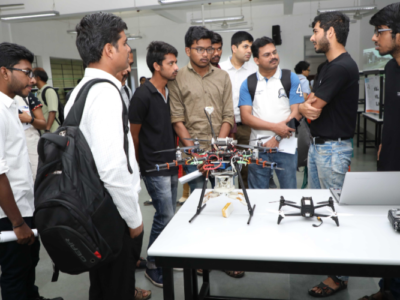
Coimbatore Institute of Technology, Coimbatore, Tamil Nadu
College Type: Autonomous
Total Tuition Fees: Rs. 5 L – 10 L
Courses Offered: 3 Courses
Exams Accepted: 3 Exams

The internet has transformed how people communicate, shop, learn, and do business. Behind every website, web application, and online platform is the work of web developers and web engineers. As digital transformation continues to grow, skilled professionals in web technologies are increasingly in demand.
A Diploma in Web Engineering provides students with practical knowledge and technical skills related to website development, web programming, user interfaces, and modern internet technologies. It is a career-focused program designed to prepare students for opportunities in web development and related digital industries.
Students learn essential technologies such as HTML, CSS, JavaScript, databases, and web frameworks while developing hands-on experience through projects and coding practice.
For those interested in building websites, designing web applications, and working in the growing digital economy, web engineering can offer strong career opportunities.
A Diploma in Web Engineering is a technical program focused on designing, developing, testing, and maintaining websites and web applications.
The program combines software principles with internet technologies and often includes practical training in:
Its goal is to prepare students for careers in web development and related fields.
show moreProgram duration may vary by institution.
| Program Type | Duration |
|---|---|
| Polytechnic Diploma | 3 Years |
| Professional Diploma | 1–2 Years |
| Advanced Diploma | 3 Years |
Some institutions may also include internships or industry training.
Web development continues to be one of the most dynamic technology fields.
Businesses of all sizes need websites and web applications.
Demand exists in:
Web skills remain highly relevant.
Web engineering combines creativity with technical problem solving.
Students often enjoy both coding and design elements.
Web development can lead to roles such as:
Web development offers strong opportunities for freelancing and remote work.
Modern web technologies keep evolving, making the field exciting.
Requirements vary by institution.
Many polytechnic programs offer admission after secondary school.
Common requirements include:
Some diploma programs also admit students after higher secondary education.
Preferred backgrounds often include:
Students from related technical diplomas may have lateral entry pathways.
The curriculum focuses on modern web technologies.
HTML forms the structure of web pages.
Students learn:
HTML is often the first coding language introduced.
CSS controls website appearance.
Students learn:
CSS helps create modern user-friendly interfaces.
JavaScript adds interactivity to websites.
Topics may include:
JavaScript is a major part of modern web development.
Websites need to work across devices.
Students learn concepts such as:
Responsive design is critical in modern development.
Front-end development focuses on what users see.
Students may study:
This is often a major focus area.
Back-end powers website functionality.
Students may learn basics of:
This introduces full web application development.
Databases support dynamic websites.
Students may learn:
This is essential for modern web applications.
Some programs introduce modern frameworks.
Students may gain exposure to:
Framework knowledge often improves employability.
Testing helps ensure website quality.
Students may learn:
Testing is an important web development skill.
Diploma programs emphasize hands-on training.
Students often build:
Projects help build practical confidence.
Students develop coding ability in:
These are core web technologies.
Students often learn:
UI skills support front-end careers.
Web developers solve technical issues daily.
Students practice:
Problem solving is central to development work.
HTML provides the foundation of every website.
It is used to structure:
Without HTML, websites cannot exist.
CSS transforms plain web pages into visually engaging websites.
It helps control:
Strong CSS skills remain valuable.
JavaScript powers modern interactivity.
Used for:
It is one of the most important web technologies.
Graduates can pursue multiple roles.
A common starting career path.
Responsibilities may include:
Focuses on user interfaces and visual coding.
Typical work includes:
Entry-level coding role in web firms.
Tasks may include:
Combines visual creativity with web technology.
May involve:
Some graduates later move into full stack development combining front-end and back-end skills.
Web skills are needed across industries.
Technology firms hire web developers for projects and products.
Online businesses need skilled developers.
Agencies often hire web developers and designers.
Startups often value practical web development skills.
Web professionals help manage digital platforms.
Employers often value practical skills.
Important skills include:
Also valuable:
Projects can help demonstrate practical ability.
Examples:
Portfolios often help in job applications.
Internships can strengthen employability.
Benefits include:
Students may intern with:
Yes, many web developers begin through diploma pathways.
Success often depends on:
Skills often matter greatly in web careers.
Students can strengthen profiles with certifications.
Examples include:
Certifications may improve opportunities.
Students may continue with:
Further education can support growth.
Web technologies continue evolving.
Growth areas include:
Demand for web professionals remains strong.
Students should understand common challenges.
Challenges may include:
These often contribute to professional growth.
This diploma may suit students interested in:
Interest in building online solutions is a strong fit.
A Diploma in Web Engineering can be the starting point for a rewarding digital career. While many graduates begin in entry-level roles, web development offers multiple growth paths based on skills, experience, and specialization.
With practical exposure and continuous learning, students can move from junior roles into advanced web development careers.
Many graduates begin with foundational roles that help build experience.
This is one of the most common starting roles.
Responsibilities may include:
This role often provides valuable industry exposure.
Front-end developers work on the visual side of websites.
Typical responsibilities include:
This remains a popular career path.
Web designers combine design principles with web technologies.
Tasks may include:
This role suits creatively inclined students.
Some graduates move toward server-side development.
Responsibilities may include:
This can lead to advanced back-end careers.
With experience, professionals can progress into larger technical roles.
Full stack developers work across both front-end and back-end technologies.
This may include:
Full stack skills are highly valued.
UI developers focus on building user interfaces.
Areas may involve:
This specialization combines design and coding.
This role focuses on dynamic web applications rather than static websites.
Examples include:
Demand continues growing.
Some professionals specialize heavily in JavaScript-based development.
This can lead to advanced front-end opportunities.
Web careers can continue evolving into advanced roles.
Experienced developers often move into senior positions involving:
This is a common progression.
Experienced professionals may lead teams and projects.
Responsibilities can include:
Leadership often grows from strong technical skills.
Web architects design scalable web systems.
Responsibilities may include:
This is often a senior-level specialization.
Some web developers transition into DevOps.
Focus areas may include:
This field is expanding rapidly.
Salary depends on factors such as:
Growth can be strong with skill development.
Several factors can improve earning potential.
Strong technical ability often leads to better opportunities.
High-value skills include:
Specialized skills often support growth.
A strong portfolio can help graduates access better roles.
Practical projects matter.
Professional certifications may improve opportunities.
Examples include:
Experienced developers in niche areas often see stronger salary growth.
Web engineering offers many specialization paths.
Front-end developers focus on user-facing experiences.
Popular technologies include:
Front-end remains highly relevant.
Back-end developers focus on functionality and data.
Areas may include:
This path offers strong demand.
Full stack developers combine both areas.
This specialization is popular in startups and software firms.
Some students move toward user interface and user experience roles.
Possible focus areas include:
This blends technology and design.
Students often benefit from expanding beyond basics.
JavaScript remains central to modern development.
Advanced learning can support stronger opportunities.
Framework knowledge is valuable.
Examples may include:
These are widely used in industry.
Developers often expand into:
Back-end skills can broaden opportunities.
Database knowledge remains valuable.
Useful areas include:
These support full web applications.
Portfolios are often essential in web careers.
Useful project ideas include:
Projects help demonstrate practical ability.
Internships often bridge learning and employment.
Benefits include:
They can improve placement outcomes.
Web skills often support freelance careers.
Possible freelance work includes:
Freelancing can be a strong career option.
Web careers often support remote opportunities.
Remote roles may include:
This adds flexibility to the profession.
Students should stay aware of industry trends.
Progressive web apps continue growing.
This area combines web and app-like experiences.
Online commerce continues expanding.
Developers skilled in e-commerce can find strong opportunities.
Modern websites increasingly use cloud technologies.
Cloud knowledge can support future growth.
APIs are central to modern web applications.
Learning API concepts is increasingly valuable.
Long-term success often depends on continuous growth.
Web development evolves rapidly.
Continuous learning is essential.
Consistent project work strengthens skills.
Practical coding matters.
Students should gain familiarity with tools such as:
Tool familiarity supports employability.
Strong developers solve problems efficiently.
Analytical thinking is important.
Connecting with developers and mentors can support career growth.
Communities can help learning and opportunities.
Some mistakes may slow career progress.
Avoid:
Growth often comes from practical effort.
Yes, many companies hire diploma graduates when they demonstrate practical skills.
Employers often value:
Skills often matter significantly.
Businesses continue moving online.
Demand remains driven by:
This supports long-term opportunities.
A Diploma in Web Engineering can open doors to many specialized career paths beyond entry-level development. As students gain experience and expand their skills, they can move into advanced areas of web technologies.
Specialization often improves growth opportunities and career potential.
Front-end development remains one of the strongest career paths in web engineering.
Front-end developers focus on creating engaging and responsive user experiences.
This may include:
Demand remains high for skilled front-end professionals.
Many developers advance by learning frameworks such as:
Framework expertise is often highly valued.
Back-end development focuses on the systems behind websites and applications.
Possible specialization areas include:
Developers may specialize in:
Back-end skills support many advanced opportunities.
Some professionals focus on database-driven web systems.
Possible areas include:
Strong database skills remain valuable.
Full stack development combines front-end and back-end expertise.
This path often includes:
Many startups prefer versatile full stack developers.
Some students move into user-centered digital roles.
Focuses on visual layout and interface creation.
Focuses on usability and user interaction.
This path blends creativity with technology.
Online commerce continues expanding, creating specialized opportunities.
Developers may work on:
This can be a strong niche area.
Some developers focus specifically on web applications.
Examples include:
Demand for application development continues rising.
Cloud skills are increasingly important in web careers.
Possible focus areas include:
Cloud-based development continues growing.
Some web developers move toward DevOps.
Focus areas may include:
DevOps remains a high-growth field.
Security has become critical in web engineering.
Possible specialization areas include:
Focuses on protecting web applications.
Areas may include:
Some developers move toward testing web security.
Security-focused skills are increasingly valuable.
Students should stay aware of evolving trends.
Progressive web applications continue gaining importance.
They combine web accessibility with app-like experiences.
This trend is growing.
Modern development often relies heavily on APIs.
API knowledge is increasingly essential.
Many modern applications use cloud-native approaches.
This trend is shaping the future of development.
AI integration is influencing modern websites and applications.
Examples include:
This creates new opportunities.
Certifications can support specialization and career advancement.
Useful for strengthening front-end expertise.
Examples include:
Full stack programs may support broader opportunities.
Cloud certifications can support modern web careers.
Examples may include:
Useful for students moving toward deployment and automation roles.
Advanced projects can strengthen a developer profile.
Project ideas include:
Projects often matter greatly in web careers.
Open-source contributions can strengthen both skills and portfolios.
Benefits include:
Many developers build credibility through open source.
Web engineering often supports freelance careers.
Possible freelance services include:
Freelancing can become a full-time path for some professionals.
Technical web skills can support entrepreneurship.
Possible ventures include:
Web engineering can support innovation and business creation.
Web development offers global career opportunities.
Graduates may work in:
Web skills often have worldwide demand.
A major advantage of web development is the flexibility to work from different locations.
Remote opportunities often exist in:
This adds flexibility and career options.
Technical knowledge alone is not enough.
Important soft skills include:
Developers often work in teams and communicate solutions.
Strong communication supports career growth.
Modern development is highly collaborative.
Teamwork matters.
Successful developers approach challenges logically.
This remains a core skill.
Technology changes rapidly.
Adaptability helps long-term success.
Students should avoid mistakes that can limit growth.
Common mistakes include:
Growth often requires continuous improvement.
Students can remain competitive by focusing on:
Ongoing development is essential.
Web technologies power modern business and digital services.
Demand continues due to:
This supports long-term career potential.
For many students, yes.
A diploma can offer:
Its value often depends on how students build on the diploma through skills and experience.
A Diploma in Web Engineering offers far more than basic website development training. It can become a foundation for careers in front-end development, full stack development, UI and UX, cloud technologies, DevOps, cybersecurity, and digital entrepreneurship.
Students who combine diploma education with projects, certifications, internships, and continuous learning can build strong careers in web development and the broader technology industry.
For those interested in creating digital solutions, building websites, and working in evolving web technologies, web engineering remains a promising and future-ready career path.
A Diploma in Web Engineering is a technical program that teaches students web technologies like HTML, CSS, JavaScript, databases, and web development concepts for careers in web development.
The duration usually ranges from one to three years depending on the institution and program type. Polytechnic diploma programs commonly take three years.
Common subjects include:
HTML
CSS
JavaScript
Web design
Database basics
Front-end development
Back-end fundamentals
Web testing
Graduates may work as:
Web Developer
Front-End Developer
Junior Web Programmer
Web Designer
Full Stack Developer
CSS helps style and design websites, while JavaScript adds interactivity and dynamic functionality.
Salary depends on skills, experience, employer, and specialization. Growth potential can be strong with practical expertise.