
A panchakarma certification course sits at an appealing intersection: relatively short, hands-on, and tied to one of the fastest-growing corners of the wellness industry. But “appealing” is not the same as “worth it” for every person considering it. This guide gives you an honest, decision-focused look at the real costs, real returns, and who this course actually suits. For full syllabus, eligibility, and institute details, our Diploma in Panchakarma course guide covers that ground separately.
Most articles on this topic either sell you on the course or list its syllabus. Very few actually walk through whether the time and money add up for your specific situation. That is the gap this guide is meant to fill.
What Panchakarma Training Actually Involves Day to Day
Understanding the daily reality of the training helps set realistic expectations before you enrol. Most programs are far more hands-on than a typical classroom course, which is both the appeal and the challenge for some students.
- Extended hours on your feet, since Panchakarma therapies are physically demanding and require sustained stamina to learn properly
- Direct, supervised practice on real patients or clients fairly early in the course, not just observation
- Repetition-heavy skill building, since therapeutic technique improves primarily through practiced repetition rather than theory alone
- Exposure to strict hygiene, oil handling, and treatment room protocols that differ meaningfully from general wellness or spa training
🚀 Ready to compare Panchakarma certification programs that fit your goals? Find Panchakarma Certification Courses today.
What Is a Panchakarma Certification Course?
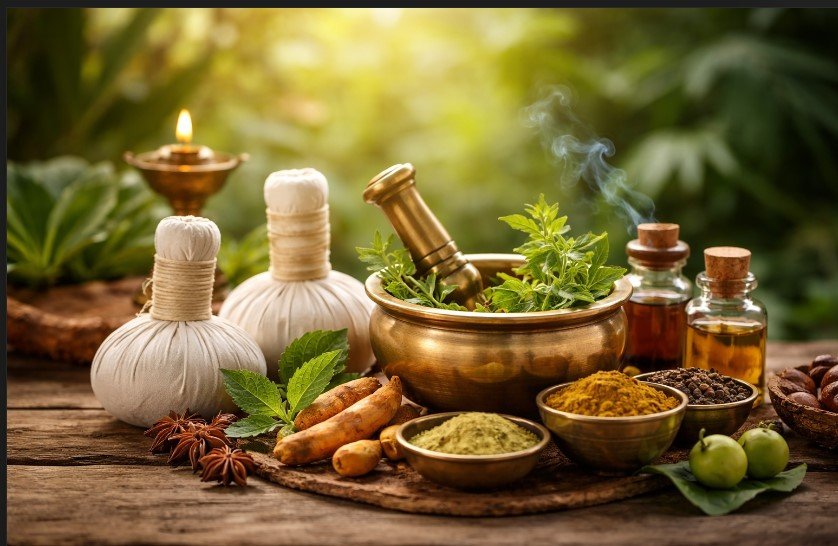
Panchakarma certification programs train students in Ayurvedic detoxification and rejuvenation therapies, ranging from short certificate courses lasting a few weeks to more comprehensive one-year diploma programs. Unlike BAMS, most certificate-level Panchakarma courses do not require a prior medical or science background, making them accessible to a much wider range of applicants.
- Certificate courses: Typically a few weeks to a few months, focused on foundational technique and hands-on practice
- Diploma courses: Typically six months to a year, covering deeper theory alongside extended practical training
- Most programs combine classroom instruction with supervised clinical or spa-based practice
Who Should Consider a Panchakarma Therapist Course
A panchakarma therapist course genuinely suits some career paths far more than others, which is exactly why a single yes-or-no answer to “is it worth it” would be misleading.
- Wellness and spa professionals looking to add a specialised, in-demand skill to their existing practice
- Career-switchers from unrelated fields who want a realistic, relatively fast entry point into the wellness or healthcare-adjacent industry
- BAMS graduates seeking formal specialisation in Panchakarma to strengthen their clinical practice or hospital career
- Yoga instructors and holistic health practitioners wanting to broaden their service offering
It suits these groups because the course delivers a specific, marketable skill quickly, without requiring years of prior medical study, while still connecting to a growing, recognisable segment of the wellness economy.
🌿 Wondering if this course fits your specific background and goals? Find Panchakarma Certification Courses and compare eligibility across institutes.
The Real Costs and Time Investment
Before weighing the upside, it helps to be realistic about what a Panchakarma certification actually costs, in both money and time. Marketing materials rarely lead with this part, which is exactly why it deserves attention here, before you commit to a specific institute.
- Course fees vary widely, from a few thousand rupees for basic certificate programs to a meaningfully higher figure for accredited, university-affiliated diploma courses
- Time investment ranges from a few weeks for the shortest certificate programs to a full year for comprehensive diploma courses
- Some programs require travel to established Ayurveda hubs, particularly Kerala, adding accommodation and living costs on top of tuition
- Ongoing skill development, workshops, and specialisation add further time and cost beyond the base certification
None of these costs are prohibitive compared to most professional training, but they are also not negligible, especially the opportunity cost of time spent training instead of earning.
What You Actually Gain: Career and Income Potential
The return side of this equation depends heavily on where and how you plan to work. Our Panchakarma & Therapy Jobs guide covers specific roles and salary ranges in full detail; the short version is that Panchakarma-trained professionals, particularly those trained in Kerala, are seeing rising demand both domestically and internationally.
- Domestic demand is growing across Ayurvedic hospitals, wellness resorts, and dedicated Panchakarma centres
- Kerala-trained Panchakarma and therapy graduates are increasingly sought after in the Middle East, Europe, and Southeast Asia
- Specialisation in Panchakarma can meaningfully strengthen a BAMS graduate’s clinical profile and earning potential
- Entry-level income for certificate-only holders is generally modest, growing substantially with experience, specialisation, and reputation
💼 Want to see actual salary ranges across Panchakarma and therapy roles? Find Panchakarma Certification Courses and the roles they lead to.
Panchakarma Training in India: Popular Course Formats
Understanding the different panchakarma training India offers helps you choose a format that matches your budget, timeline, and career goals.
- Government and university-affiliated certificate courses, generally more rigorous and more recognised by employers
- Private wellness institute programs, often faster and more flexible, but with more variable quality between institutes
- Hospital-based training, combining classroom learning with supervised clinical exposure in an Ayurvedic hospital setting
- Kerala remains the most established hub for Panchakarma training specifically, given the state’s long-standing Ayurveda infrastructure and reputation
Ayurveda Short-Term Courses: How Panchakarma Certification Compares
Panchakarma certification is one of several ayurveda short term courses worth considering, and it is not automatically the right one for everyone. Our Certificate in Ayurvedic Massage guide covers a related, often shorter alternative focused specifically on massage technique, while our broader Ayurveda Courses in India overview maps out the full range of certificate and diploma options side by side.
- Choose Panchakarma certification if you want a recognised, therapy-specific specialisation with strong wellness-industry demand
- Choose a shorter massage-focused certificate if you want the fastest possible entry point into hands-on Ayurvedic therapy work
- Choose a broader Ayurveda certificate if you are still exploring the field and not ready to commit to one specific therapy track
🔍 Comparing Panchakarma against other short-term Ayurveda courses? Find Panchakarma Certification Courses alongside every other option available.
So, Is It Worth It? A Balanced Verdict
Bringing everything together, the honest answer depends less on the course itself and more on how closely your expectations match what it actually delivers.
- Worth it if: you have a genuine interest in Ayurvedic therapy, want a relatively fast entry into the wellness industry, or are a BAMS graduate looking to specialise and strengthen your clinical profile.
- Worth it if: you are targeting roles in established Ayurveda hubs or international wellness markets where Panchakarma training is specifically valued.
- Think twice if: you expect certificate-level training alone to deliver doctor-level clinical scope or immediate high income, since that expectation does not match how the industry actually pays entry-level therapists.
- Think twice if: you have not researched the specific institute’s recognition and placement track record, since quality varies significantly between programs.
Conclusion
A Panchakarma certification course is worth it for the right person: someone genuinely drawn to Ayurvedic therapy, realistic about entry-level income, and deliberate about choosing a well-recognised institute. It is less worth it for someone expecting it to substitute for a full medical qualification or deliver immediate high earnings. Weigh the real cost and time investment against your specific career goals, not against a generic promise of wellness-industry growth. The students who feel the training was worth it a year later are consistently the ones who researched their institute carefully and entered with realistic income expectations, not the ones who chased the fastest or cheapest option available.
If you decide it fits your goals, our Diploma in Panchakarma course guide is the natural next stop for syllabus and institute details.
FAQs:
Not usually for certificate-level courses, though some institutes prefer it.
From a few weeks for basic certificates to about a year for diploma programs.
Yes, particularly with Kerala-based training, which is well recognised internationally.
Generally no; independent clinical practice typically requires a BAMS degree.
Entry-level income is modest, rising significantly with experience and specialisation.
Comments