
Many students finish Class 12 with science and want a fast path into healthcare. Paramedical courses fit that goal well. However, getting a seat often means clearing a test first. That is why paramedical entrance exams in India matter so much.
This guide explains how these tests work. You will learn the exam types, the eligibility rules, the syllabus and a simple study plan. If you only want exam names, see our complete list of paramedical entrance exams. Otherwise, read on for the full picture.
What Are Paramedical Entrance Exams in India?

Paramedical entrance exams are admission tests for allied health courses. These courses train people to run labs, scans, operation theatres, dialysis units and emergency care. Doctors and nurses depend on these professionals every day.
Not every paramedical course needs an entrance test. Some colleges admit students on Class 12 marks. Others run their own paramedical admission test. Therefore, your first job is to check the rule for each course and each college.
Also, the sector is now better regulated. The National Commission for Allied and Healthcare Professions Act, 2021 created a legal framework for allied health education. As a result, picking a recognised course has become more important than ever.
Why Students Choose Paramedical Courses
Paramedical courses are popular for good reasons. First, many programmes are shorter than medical degrees. Second, fees are often lower than those for MBBS. Third, hospitals and labs keep hiring trained technicians. As a result, students can start earning earlier.
Moreover, the field offers many paths. You can work with scans, blood tests, surgery teams or emergency crews. To see the range, read about common paramedical job roles before you pick a course.
Types of Paramedical Entrance Exams
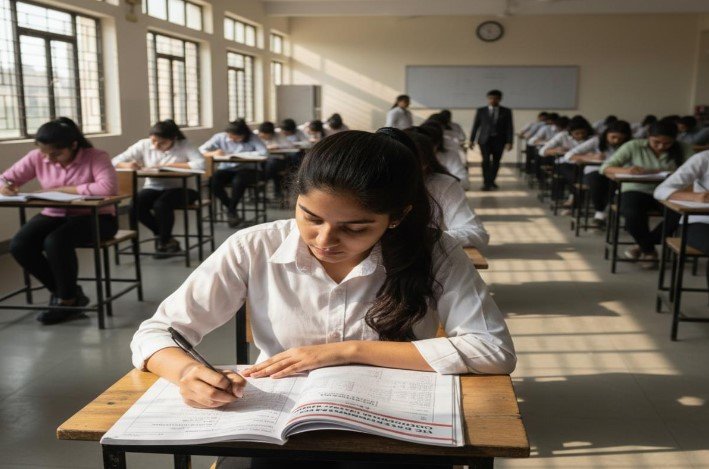
Paramedical admissions in India follow four broad routes. Each route has its own rules, so compare them before you apply.
National-Level Exams
These tests are open to students from every state. For example, AIIMS holds an annual test for its B.Sc (Hons) paramedical programmes. You can check notices on the AIIMS exams portal. In addition, institutes like JIPMER and PGIMER notify their own allied health tests when seats are open. Some central universities may also use CUET UG scores for selected allied health programmes.
Our page on national-level paramedical exams lists the main tests and the bodies that conduct them.
State-Level Exams
Many states run their own tests or merit-based counselling. Usually, a state health university, a directorate of medical education or a paramedical council handles this. These routes are common for diploma courses. However, rules on domicile and seat quota differ from state to state. Read the details on our state-level paramedical exams page.
University and College-Level Tests
Private and deemed universities often set their own paramedical admission test. Some combine Class 12 marks with a short test or interview. Others offer direct admission on merit. To compare options, visit our guide to university-level paramedical entrance tests.
Diploma and Certificate Admissions
Short courses mostly use a merit list. Class 10 or Class 12 marks decide the seat. Some institutes still hold a simple entrance test. You can find more on diploma and certificate level paramedical exams.
Want exam dates, eligibility and exam bodies in one place?
Open our exam hub and find the paramedical test that fits your course and state.
Popular Courses You Can Enter Through These Exams

Entrance tests open the door to many programmes. Here are some common ones:
- Medical Laboratory Technology (DMLT and BSc MLT)
- Radiology and Imaging Technology
- Operation Theatre Technology
- Dialysis Technology
- ECG and Cardiac Care Technology
- Emergency and Trauma Care
Each course leads to a different workplace. For instance, lab technology suits students who enjoy precise testing work. You can read about medical laboratory careers to see what daily work looks like.
Is NEET Required for Paramedical Courses?
In most cases, no. NEET UG is mainly meant for MBBS, BDS and AYUSH seats. Many states also use it for BSc Nursing. Most paramedical diplomas and degrees do not need it.
However, a few states or universities may use NEET scores during counselling. So always read the prospectus. You can confirm exam rules on the National Testing Agency website. Students also mix up related fields. If you are comparing options, see our guides on nursing entrance exams and physiotherapy entrance exams. Each field has its own rules.
Paramedical Course Entrance Criteria by Level
The paramedical course entrance criteria depend on the level you choose. The points below show common patterns. Treat them as a general guide, because cut-offs differ by institute.
Certificate Courses
Most certificate courses need a pass in Class 10 or Class 12. They are short and skill-based. For example, students can learn basic lab work or patient care in a few months. Browse certificate courses in paramedical to see options.
Diploma Courses
Diploma programmes usually run for two years. Some accept Class 10 pass students. Others ask for Class 12 with science. Popular choices include DMLT, X-ray technology and OT technician training. Read more about a diploma in paramedical before you apply.
Bachelor Degrees
Degree courses generally need Class 12 with Physics, Chemistry and Biology. Many colleges ask for minimum marks, often around 45 to 50 percent. Some imaging courses may accept Maths instead of Biology. Also, the usual minimum age is 17 years at admission. See the list of bachelor courses in paramedical for course names and duration.
Master Degrees
Postgraduate courses need a relevant bachelor’s degree. Some universities add an entrance test or a merit round. If you plan to study further, check master courses in paramedical early.
Finally, many institutes ask for a medical fitness certificate. Keep your documents ready before the form opens.
Paramedical Exam Syllabus: What to Study

The paramedical exam syllabus is mostly based on Class 11 and Class 12 science. AIIMS, for example, frames its test around Physics, Chemistry and Biology. Other tests may add English and aptitude. Let us break it down.
Biology
Biology is the most important subject. Focus on human physiology, cell structure, genetics, common diseases and human health. Many questions are direct. Therefore, strong NCERT reading pays off quickly.
Chemistry and Physics
In Chemistry, revise biomolecules, basic organic chemistry and chemical bonding. In Physics, cover optics, electricity, heat and modern physics. These topics also help later if you choose radiology or imaging courses.
English, Aptitude and General Knowledge
Some university and diploma tests include English, logical reasoning, basic Maths and general awareness. The questions are usually simple. However, speed matters, so practise regularly.
Exam Pattern
Most tests use multiple-choice questions. Some are computer-based and others are pen-and-paper. Duration and negative marking vary. Always read the official bulletin before you start your plan.
Ready to match your exam with the right college?
Compare paramedical colleges, courses and exams accepted before you fill any form.
How the Admission Process Works, Step by Step

- Choose your course. Decide between a certificate, diploma or degree.
- Check eligibility. Match your marks, subjects and age with each course.
- List the exams. Note which tests your target colleges accept.
- Register on time. Missing a deadline can cost you a full year.
- Prepare with a plan. Follow a simple weekly schedule.
- Attend the test and counselling. Keep original documents ready.
- Verify recognition. Confirm the course is approved before you pay fees.
Documents to Keep Ready
Many applicants lose time because of missing papers. Therefore, prepare a folder early. You will usually need:
- Class 10 and Class 12 marksheets and certificates
- Government photo ID and recent passport-size photos
- Category or domicile certificate, if you claim a quota
- Medical fitness certificate, where the college asks for it
- A working email ID and mobile number for exam alerts
In addition, read the official notification line by line. It lists dates, fees, age limits and the exam centre rules. Skipping this step is one of the most common reasons for rejected forms.
A Simple 8-Week Preparation Plan
Weeks 1 to 2: Build the Base
Start with NCERT Biology for Class 11 and 12. Make short notes. Next, revise key Chemistry and Physics formulas. Study for two to three hours a day.
Weeks 3 to 5: Practise Topic by Topic
Solve chapter-wise questions after each topic. Track weak areas in a notebook. In addition, read the exam pattern so you know the marking scheme.
Weeks 6 to 8: Mock Tests and Revision
Take one full mock test every few days. Review every wrong answer. Then revise your notes. Sleep well before the exam. A calm mind scores better than a tired one.
Choosing the Right College After the Exam

A good score is only half the work. Next, pick a college with care. Check these points first:
- University affiliation or state council approval for the course
- Lab and equipment quality, plus clinical postings in a real hospital
- Clear fee details with no hidden charges
- Internship support and placement records
Start with our list of paramedical colleges in India. If you prefer a city, try the top paramedical colleges in Jaipur. Also, read university notices on the official website before paying any fee.
Career Scope After Paramedical Courses

Paramedical graduates work in hospitals, diagnostic labs, imaging centres and emergency units. Demand is steady across the country. You can explore paramedical jobs in India to see typical roles. If you prefer job security, look at government paramedical jobs as well.
Skills beyond the classroom help too. For example, digital and communication skills make you more job-ready. Students can explore skill courses for students at Bhavya Gyan Academy. Moreover, reading research builds depth. You can browse medical science journals from Mantech Publications, and find more study tips in their admission guides.
Need help choosing a course or exam?
Talk to the BhavyaGyan team. We will help you compare options and plan your next step.
What Colleges Should Do to Support Applicants
Clear information builds trust. Colleges that run paramedical programmes should publish the following details on their website:
- Course names, duration and intake
- Accepted exams and eligibility rules
- Fee structure and scholarship options
- Recognition and approval details
Strong quality systems also help institutions earn trust. Colleges can get structured guidance through NAAC accreditation support and IQAC services from Bhavya Gyan Consultants. In addition, institutions can offer extra training through skill courses for colleges.
Run a paramedical college or institute?
List your institute on BhavyaGyan and reach students who are searching for courses right now.
Common Mistakes to Avoid
- Applying without reading the official notification
- Ignoring state domicile and quota rules
- Skipping NCERT Biology and relying only on guides
- Paying fees before checking college recognition
- Trusting agents who promise guaranteed seats
Each mistake is easy to avoid. Therefore, slow down, verify every claim and keep a checklist.
Conclusion
Paramedical entrance exams in India follow many routes, so clarity is your best tool. Know your course, check the eligibility, study the syllabus and verify the college. Start early and stay consistent. To go deeper, open our paramedical courses in India guide and plan your next move.
FAQs:
No. Admissions use national, state, university and merit-based routes, depending on the course and college.
For most degrees, yes. Class 12 with Physics, Chemistry and Biology is the common requirement.
Usually not. A few states or universities may use it, so check each prospectus.
Some diploma and certificate courses accept Class 10 pass students. Always confirm with the institute.
Most colleges ask for 17 years at admission. Verify the exact date in the official notice.
Eight weeks of steady study works for many students, especially with regular mock tests.
External Resources
- AIIMS official exam portal – Notices and bulletins for AIIMS paramedical and nursing exams
- National Testing Agency (NTA) – Official exam information for NEET UG and other national tests
- CUET UG official portal – Admission test information for central universities
- JIPMER Puducherry – Allied health programme notices from JIPMER
- PGIMER Chandigarh – Admission notices for PGIMER programmes
- Ministry of Health and Family Welfare – Health policy and allied healthcare updates
Comments