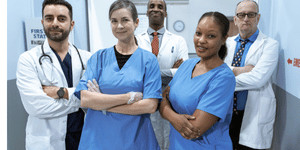
Apex University – Paramedical Sciences, Jaipur, Rajasthan
College Type: Private
Total Tuition Fees: Rs. 0 L – 5 L
Courses Offered: 2 Courses
Exams Accepted: 1 Exams

The Diploma in Emergency Medical Services (DEMS) is a fast-growing paramedical course designed for students who want to work in critical care, ambulance services, and emergency response systems. This program focuses on providing immediate medical care during accidents, trauma, and life-threatening situations.
With increasing road accidents, medical emergencies, and the need for rapid healthcare response, trained emergency professionals are in high demand across hospitals and healthcare systems.
This course typically ranges from 1 to 2 years, requires 10+2 qualification (Science preferred), and prepares students for roles such as Emergency Medical Technician (EMT), ambulance assistant, and trauma care specialist.
A Diploma in Emergency Medical Services is a healthcare training program that equips students with the skills required to handle medical emergencies efficiently. It focuses on pre-hospital care, first aid, patient stabilization, and safe transportation to healthcare facilities.
The course is closely associated with Emergency Medicine, which deals with the immediate diagnosis and treatment of acute illnesses and injuries.
Students are trained to act quickly and effectively in high-pressure situations, often becoming the first responders in emergencies.
Emergency services are a critical part of any healthcare system. With rising cases of accidents, natural disasters, and sudden medical conditions, there is a continuous need for trained professionals.
Conditions like Cardiac Arrest and Stroke require immediate attention, making emergency medical staff essential.
This is one of the few careers where your skills can directly save lives. Emergency responders are often the first point of contact in critical situations.
Unlike routine healthcare jobs, emergency medical services offer a dynamic work environment where no two days are the same.
This diploma allows students to enter the healthcare field quickly and start working in hospitals, ambulances, or emergency response units.
The eligibility for this course is simple and student-friendly.
The admission process for DEMS is straightforward.
Most colleges offer admission based on 10+2 marks.
Many private institutes provide direct admission without entrance exams.
Some reputed institutions may conduct entrance tests or interviews.
The Diploma in Emergency Medical Services is generally completed in 1–2 years, depending on the institute.
The curriculum is designed to prepare students for real-life emergency situations.
Students develop essential skills required for handling emergencies.
Emergency situations require fast and accurate decisions.
Students learn how to provide immediate care before hospital treatment.
Clear communication with doctors, patients, and team members is essential.
Handling emergencies requires stamina, focus, and emotional stability.
An Emergency Medical Technician is responsible for providing immediate medical care during emergencies.
EMTs work in:
They often collaborate with professionals in Trauma Care to ensure effective treatment.
Emergency medical services play a crucial role in saving lives and improving patient outcomes.
Quick medical attention can prevent complications and save lives.
Providing care before reaching the hospital is critical in many cases.
Emergency professionals play a key role during natural disasters and large-scale emergencies.
The demand for trained emergency professionals is increasing rapidly in India.
This diploma is ideal for:
The Diploma in Emergency Medical Services is designed to provide both theoretical knowledge and hands-on training required to handle real-life emergencies. The syllabus focuses on quick response, patient care, and life-saving techniques.
This subject helps students understand the structure and functioning of the human body. It includes:
A strong understanding of body functions is essential for handling emergency cases effectively.
This subject introduces students to the fundamentals of emergency response, including:
Students learn how to act quickly and efficiently in critical situations.
One of the most important parts of the course is training in first aid and CPR (Cardiopulmonary Resuscitation).
Students learn:
This training is crucial for saving lives during emergencies like Cardiac Arrest.
Trauma care focuses on treating patients with severe injuries caused by accidents or disasters.
Key topics include:
This subject is closely related to Trauma Care.
Students are trained to handle large-scale emergencies such as:
This subject prepares students for working in disaster response teams.
This subject covers:
Proper transportation ensures patient safety and timely medical intervention.
Some reputed institutions offering this course include:
These institutes provide practical training, modern equipment, and placement support.
The fee structure varies depending on the type of institution.
Practical exposure is a key part of this course, especially in emergency care.
Internships help students gain confidence and real-world experience.
Graduates can explore various job roles in healthcare and emergency services.
Salary depends on experience, skills, and employer.
Professionals working in advanced emergency systems or international organizations may earn higher salaries.
Students can pursue higher studies to advance their careers.
Higher education helps in getting better roles and leadership positions.
The short duration allows students to enter the workforce quickly.
Emergency professionals are always needed in healthcare systems.
This field offers the satisfaction of helping and saving lives.
Students can work in hospitals, ambulances, industries, and disaster management.
However, proper training and experience help professionals manage these challenges effectively.
After gaining experience and additional training, professionals in emergency medical services can move into advanced roles with greater responsibility and higher pay.
With experience, EMTs can take on senior roles where they:
Paramedics are highly trained professionals who can perform advanced medical procedures such as:
This role requires additional certifications and training but offers strong career growth.
Professionals can work inside hospital emergency departments, assisting doctors and nurses in handling critical patients.
They support procedures, monitor patient conditions, and ensure smooth emergency operations.
With experience, individuals can work in disaster response teams, handling large-scale emergencies such as:
This role is closely connected with Disaster Management.
Critical care assistants work in intensive care units (ICUs), helping manage patients with severe conditions and supporting life-saving treatments.
To grow in this field, additional certifications are highly beneficial.
These certifications enhance skills and increase job opportunities in advanced healthcare settings.
Although emergency services are mostly employment-based, there are some business opportunities.
With proper licensing and training, these ventures can be successful and impactful.
The future of emergency medical services is highly promising due to increasing healthcare needs and awareness.
Medical emergencies such as:
require immediate response, increasing demand for trained professionals.
Modern emergency services are adopting:
These technologies improve response time and patient outcomes.
The skills learned in this course are applied in real-life situations every day.
Emergency professionals provide immediate care in road accidents and trauma cases.
Handling sudden health conditions and stabilizing patients before hospital treatment.
Providing first aid training and spreading awareness in communities.
Reality: EMTs and paramedics are the first responders and play a critical role.
Reality: With experience and certifications, there are many advancement opportunities.
Reality: While challenging, proper training makes it manageable and rewarding.
Hands-on training is essential for handling real-life emergencies.
The job requires stamina and the ability to work under pressure.
Clear communication is critical during emergencies.
Stay updated with new techniques in Emergency Medicine.
Safety and professionalism are essential in emergency services.
The Diploma in Emergency Medical Services is an excellent choice for students who want to build a career in a fast-paced, challenging, and meaningful healthcare field. It offers the opportunity to save lives, work in critical situations, and make a real difference in society.
With the right skills, dedication, and continuous learning, professionals in this field can achieve long-term success and job satisfaction while contributing to the healthcare system in a vital way.
It is a paramedical course that trains students to handle medical emergencies, provide first aid, and assist in patient care during critical situations such as accidents and sudden illnesses.
The course duration is usually 1 to 2 years, depending on the institute and level of training.
Students must have completed 10+2 from a recognized board. A science background is preferred but not always mandatory.
Important skills include:
Quick decision-making
First aid and emergency response
Communication skills
Physical and mental strength
Graduates can work as:
Emergency Medical Technician (EMT)
Ambulance Assistant
Trauma Care Assistant
Emergency Room Technician