
Hospitals cannot run without paramedical staff. Every scan, blood test, surgery and emergency call depends on them. This is why paramedical career scope in India looks strong today. Demand is rising in cities, towns and even small districts.
Many students choose this field because the courses are short. Fees are also lower than MBBS or BDS. However, students still ask a few key questions. Which jobs pay well? How fast can you grow? Is the work stable? This guide answers all of them in simple words.
What Is a Paramedical Career?

Paramedical professionals are trained health workers who support doctors and nurses. They are not doctors. Still, they handle tests, machines, patient care and emergency help. Many people also call this group allied health professionals.
The field covers many roles. A few common ones are listed below.
- Medical lab technologist (DMLT, BMLT)
- Operation theatre (OT) technician
- Radiology and imaging technician
- Dialysis technician
- Emergency medical technician (EMT)
- Optometry assistant
- ECG and cardiac care technician
- Physiotherapy assistant
Because the list is long, students can pick a role that fits their interest. Some like lab work. Others prefer fast emergency care. Both paths have good demand.
Why Paramedical Career Scope in India Is Growing
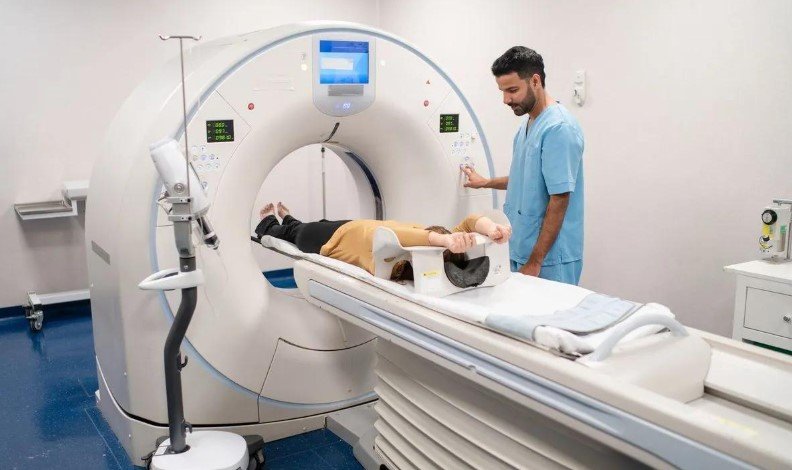
Several clear reasons are pushing this growth. First, India is adding hospitals, clinics and diagnostic chains every year. Each new unit needs trained technicians. Second, lifestyle diseases such as diabetes and kidney problems need regular testing and dialysis.
In addition, the government is investing in health infrastructure. The Ministry of Health and Family Welfare runs many schemes that expand hospital capacity. The National Commission for Allied and Healthcare Professions now sets national standards for allied health courses. As a result, the profession is becoming more organised and respected.
Medical tourism adds to demand as well. Foreign patients come to India for surgery and tests. Therefore, hospitals need skilled technicians who can handle modern machines.
Demand in Government and Private Sectors
Both sectors hire paramedical staff. Government hospitals offer job security and fixed pay scales. Private hospitals often pay more at the start. They also promote fast performers. Diagnostic labs, ambulance services and dialysis centres are growing in the private sector.
Paramedical Job Opportunities After Your Course
Paramedical job opportunities are spread across many workplaces. You are not limited to one hospital. Here are the main places that hire.
- Government and private hospitals
- Diagnostic and pathology labs
- Blood banks and trauma centres
- Dialysis and cardiac care units
- Ambulance and emergency services
- Eye hospitals and optical chains
- Medical colleges and research labs
- Overseas hospitals in the Gulf, UK and Europe
Some graduates also teach or work in research. Medical colleges hire lab and imaging staff. Research projects need trained people to handle samples and data. Students who want to publish can read medical science journals to learn how clinical research is written and shared.
Government Job Options
State health departments, railways, ESIC hospitals and defence units hire technicians through exams. Posts come out regularly. A diploma plus a few years of experience can help you meet the eligibility criteria. Always check the official notice before you apply.
Not sure which paramedical role suits you?
Compare roles, eligibility and growth paths in one place before you choose a course.
Paramedical Salary in India: What to Expect

Salary is the question most students ask first. The honest answer is that it depends on role, city, employer and skill. The table below gives indicative monthly ranges. Real offers can be higher or lower.
| Role | Indicative monthly pay (fresher) | Pay after 5+ years |
|---|---|---|
| Medical lab technician | ₹10,000 – ₹22,000 | ₹25,000 – ₹45,000 |
| OT technician | ₹12,000 – ₹25,000 | ₹30,000 – ₹50,000 |
| Radiology technician | ₹14,000 – ₹28,000 | ₹35,000 – ₹60,000 |
| Dialysis technician | ₹12,000 – ₹24,000 | ₹28,000 – ₹45,000 |
| Emergency medical technician | ₹12,000 – ₹25,000 | ₹28,000 – ₹45,000 |
| Optometry assistant | ₹12,000 – ₹25,000 | ₹30,000 – ₹50,000 |
These numbers are rough estimates. Metro hospitals usually pay more than small towns. Experience, certifications and machine skills also raise your pay. Check current offers on job portals before you decide.
If you are comparing paramedical salary India with other courses, remember the cost side too. Paramedical courses cost far less. So the return on investment can be better than many degree programmes.
How Experience Changes Pay
Pay grows in steps. A fresher may start at a modest level. After three to five years, you can become a senior technician or shift in-charge. At that stage, salaries rise clearly. Supervisors and department heads earn more again. A degree such as BSc or a specialist certificate speeds this up.
Earning Abroad
Gulf countries, the UK, Canada and Australia hire trained technicians. Pay is much higher than in India. However, each country has its own licensing rules. You may need exams and registration. Plan this early if you want to go abroad.
Best Paramedical Jobs to Consider
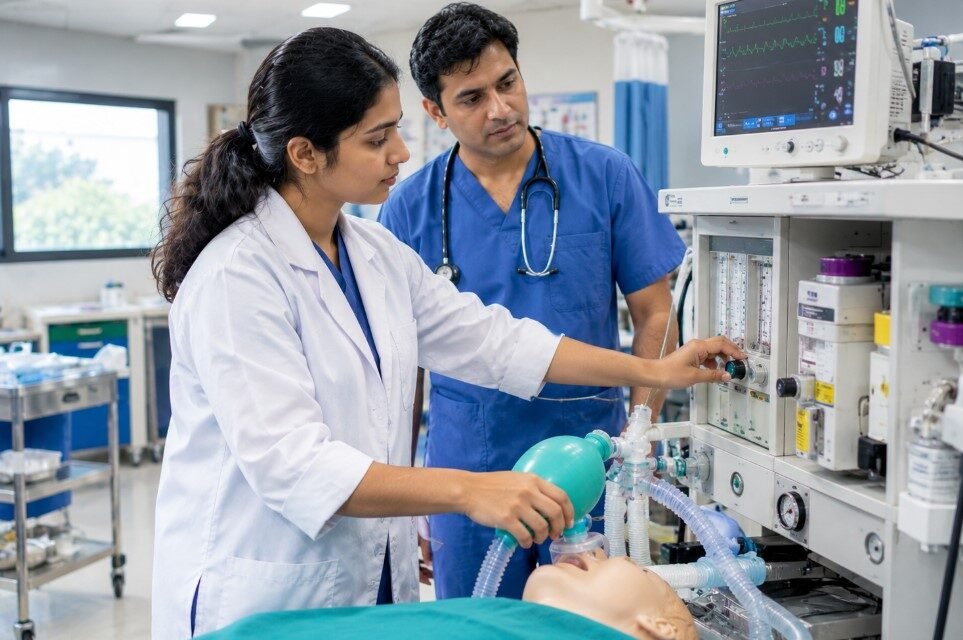
There is no single winner. The best paramedical jobs are the ones that match your skills, patience and goals. Still, a few roles stand out for demand and growth.
Medical Lab Technologist
Every hospital needs a lab. Blood, urine and tissue tests guide almost every diagnosis. This role is stable and in demand. You can later move into quality control, research or lab management.
Radiology and Imaging Technician
X-ray, CT, MRI and ultrasound are now routine. Skilled imaging staff are scarce. Hence, pay is often better than in many other support roles. You must be careful and comfortable with technology.
OT Technician and Anaesthesia Technician
These professionals prepare the operation theatre, handle equipment and assist surgeons. Surgeries are rising across India. Therefore, demand stays steady. The work is intense but rewarding.
Dialysis Technician
Kidney disease cases are growing. Dialysis centres are opening in small cities too. Trained technicians are needed at each one. This is a good choice if you like patient contact.
Emergency Medical Technician
EMTs reach patients first in accidents and emergencies. Ambulance networks are expanding. The job is fast and demanding. It suits people who stay calm under stress.
Physiotherapy Assistant
Rehabilitation is a growing need. People recover from injuries, strokes and surgeries with therapy support. If you want a longer clinical path, read about physiotherapist career scope and how sports clinics are creating new roles. You can also see sports physiotherapy as a growing career path.
Skills That Help You Grow Faster
A certificate gets you the first job. Skills decide how far you go. Focus on these areas.
- Hands-on practice with real machines and samples
- Clear communication with patients and doctors
- Basic computer and report software skills
- Infection control and safety habits
- Willingness to work shifts and handle pressure
Soft skills matter as much as technical ones. Patients are often anxious. A kind and clear technician earns trust quickly. That trust leads to better reviews and promotions.
Who Should Choose a Paramedical Career?
This field suits students who like science but want a faster route to work. It also suits those who enjoy helping people without becoming doctors. If you are calm, careful and happy to learn machines, you will fit well.
It is also a smart option for families with a tight budget. Courses cost less, and many students start earning within two years. Moreover, you can keep studying while you work. Many technicians finish a BSc through distance or bridge programmes later.
Step-by-Step Plan to Start Your Paramedical Career
- Pick two or three roles that match your interest.
- Check eligibility, usually 10+2 with science for most diploma and degree courses.
- Shortlist approved colleges and visit them.
- Complete the course with strong practical training.
- Do an internship in a good hospital or lab.
- Apply for jobs, and add certificates as you grow.
Follow these steps in order. Do not skip the internship. Employers value real hands-on work more than marks alone. After the first job, plan your next skill upgrade within two years.
How to Choose the Right Course and College
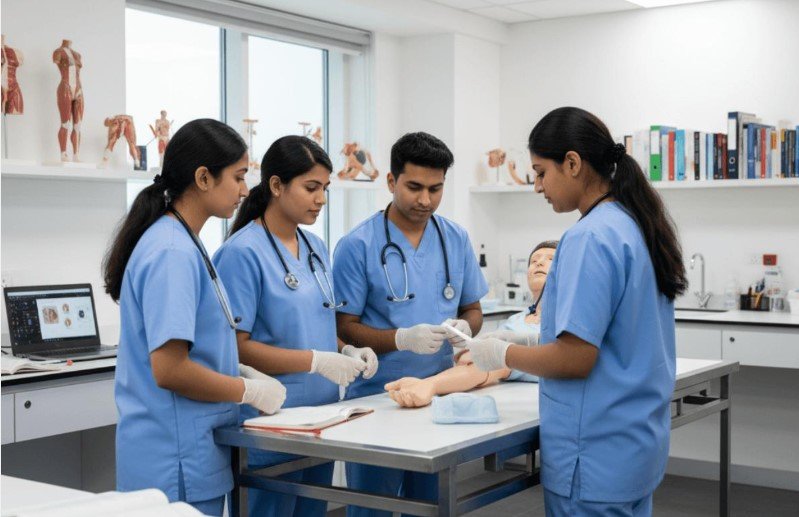
Your career starts with the right institute. A weak college can waste two years. Use the checklist below before you pay any fee.
- Check approval by the state board or relevant council
- Ask about hospital tie-ups for practical training
- Confirm lab and equipment quality during a visit
- Ask for placement records, not just promises
- Compare total fees, including exam and hostel costs
Do not trust big claims without proof. Visit the campus. Talk to current students. Also read independent college guides to understand how to judge an institute. For wider study tips, the education guides section is useful too.
Ready to pick your course?
Start with a clear list of paramedical courses, eligibility and career outcomes.
Diploma, Degree or Certificate?
A diploma usually takes two years and gets you working sooner. A BSc takes three to four years and opens doors to teaching, research and senior roles. Short certificate courses suit those who want a quick start or an upgrade. Pick based on your budget and long-term plan.
Career Growth Path in Paramedical Fields

The ladder is clearer than most people think. A typical path looks like this: trainee, technician, senior technician, supervisor, department in-charge. Some people move into hospital administration. Others start their own diagnostic lab or ambulance service.
Higher study is another route. After a diploma, many students complete a bridge course or BSc. Later, they can do an MSc or a PhD. Researchers who publish papers build a strong profile. Services such as research paper assistance and research support services can guide students who want to write clinical case reports or small studies.
Nursing is a related track. Readers who want to explore it can browse nursing journals to see what current research looks like.
Keep learning even after you get a job. New machines and test methods arrive every year. Short courses on imaging, lab quality or critical care can lift your pay. Employers notice people who update their skills. Over a decade, this habit can double your earning power.
Challenges to Know Before You Begin
The field is rewarding, but it is not easy. Shifts can be long. Night duty is common. Emergency roles can be stressful. Pay at the start may feel low in some small centres. Also, unapproved colleges still exist, so you must verify before joining.
Still, these problems are manageable. Choose a recognised course. Build skills steadily. Move to a better employer once you have two or three years of experience. Over time, the rewards grow.
Role of Institutions in Building Better Paramedical Careers
Strong institutes shape strong professionals. Colleges need good labs, updated syllabi and links with hospitals. They also need quality systems to keep standards high. Institutions that want training support for accreditation and quality can explore training for colleges. Better institutes mean better-trained graduates, and that benefits the whole sector.
Plan your paramedical future today?
See career paths, course options and salary insights built for students and parents.
Conclusion
Paramedical career scope in India is wide and growing. Jobs exist in hospitals, labs, emergency services and abroad. Salaries start modestly but rise with skills and experience. Choose a recognised course, build practical skills, and plan your growth step by step. A smart start today can give you a stable, respected career in healthcare.
FAQs:
Scope is strong. Hospitals, labs, ambulance services and overseas employers all need trained paramedical staff.
Radiology, OT and cardiac technicians usually earn more. Pay still depends on city, skill and experience.
Freshers often earn around ₹10,000 to ₹25,000 monthly. Metro hospitals may pay more.
Yes. State health departments, ESIC and railways hire technicians through exams. Check each official notice.
Yes. Gulf countries, the UK and Canada hire technicians, but licensing exams and registration are usually required.
Yes. Courses are short, fees are lower and job demand is steady for skilled candidates.
External Resources
- Ministry of Health and Family Welfare
- National Commission for Allied and Healthcare Professions
- National Health Mission
- Healthcare Sector Skill Council
- National Skill Development Corporation
- AIIMS New Delhi
Comments