
Finished Class 12 and want a healthcare career without six years of study? Then paramedical courses may suit you. These programs train you for hands-on roles in labs, scan rooms, operation theatres and emergency wards. Hospitals need these professionals every day. As a result, demand stays steady across India and abroad.
However, the options can feel confusing. There are diploma, degree and certificate programs. Each has its own eligibility, duration and fees. This paramedical courses list after 12th explains them in simple steps. You will also learn which stream you need, how NEET rules are changing, and what jobs follow. For a deeper course-by-course view, read our complete guide to paramedical courses in India.
What Are Paramedical Courses?
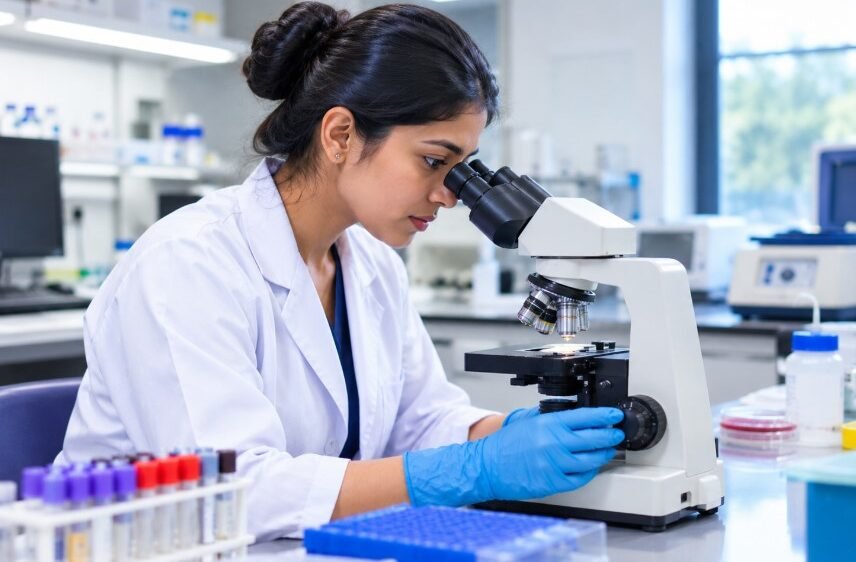
Paramedical courses prepare you for support roles in healthcare. You do not treat patients as a doctor does. Instead, you run tests, take scans, assist in surgery or support emergency care. Doctors depend on your reports and skills to decide treatment.
Note that the National Commission for Allied and Healthcare Professions (NCAHP) has suggested the term “allied and healthcare” instead of “paramedical”. Still, most students search for “paramedical”, so you will see both terms in this guide.
Why Choose a Paramedical Career After 12th?
First, the study period is shorter than medicine, so you start earning sooner. Second, hospitals, labs and clinics keep hiring technicians in every city. In addition, skills like lab testing and imaging are valued abroad. Finally, you can grow step by step. For example, you can begin with a certificate, add a diploma and then complete a degree. This flexible path suits students with different budgets and family needs.
Paramedical Courses List After 12th at a Glance
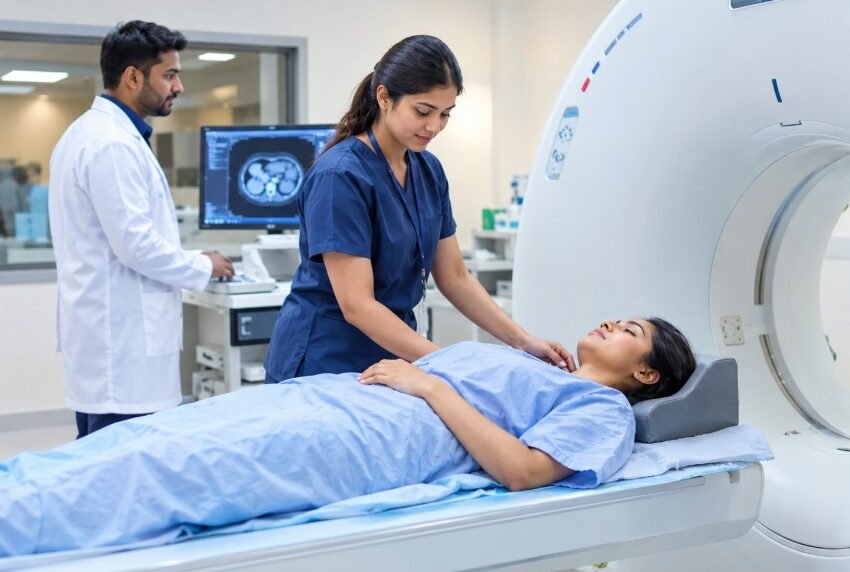
This table shows the main paramedical course options in India by level. Fees and rules differ by college, so treat the details as a starting point.
| Level | Popular courses | Duration | Usual eligibility |
|---|---|---|---|
| Certificate | Phlebotomy, X-ray technician, ECG technician, lab assistant | 3–12 months | 12th pass, often any stream |
| Diploma | DMLT, OT technology, dialysis, radiology, optometry | 1–2 years | 12th pass; many accept any stream |
| Degree (BSc) | MLT, radiology and imaging, OT, dialysis, cardiac care | 3–4 years | 12th with PCB (most colleges) |
| Postgraduate | MSc MLT, radiology, other specializations | 2 years | Relevant bachelor’s degree |
Paramedical Diploma Courses After 12th

Paramedical diploma courses are the fastest way to start working. Most last one to two years. Moreover, many accept students from any stream. You can explore more options on our page for paramedical diploma courses. Here are the most popular ones.
Diploma in Medical Laboratory Technology (DMLT)
DMLT teaches you to test blood, urine and other samples. You learn lab safety, microscopy and report writing. Graduates work in hospital labs and diagnostic centres. If you are unsure about DMLT versus a degree, see our DMLT vs BMLT comparison.
Diploma in Radiology and Imaging Technology
This course covers X-ray, CT scan, MRI and ultrasound basics. You also learn radiation safety. Consequently, you can work in scan centres and hospital imaging units. Learn more about radiology and imaging jobs before you decide.
Diploma in Operation Theatre Technology
Here you learn to prepare the operation theatre, handle sterile tools and assist surgeons. The diploma in operation theatre technology suits students who stay calm under pressure.
Diploma in Dialysis Technology
Dialysis technicians care for patients with kidney failure and manage dialysis machines. The diploma in dialysis technology is in demand because kidney patients need regular sessions.
ECG Technician, Optometry and Emergency Care
Other good choices include the diploma in ECG technician course, the diploma in optometry and the diploma in emergency and trauma care. Each opens a clear job path in hospitals and clinics.
Compare diploma, degree and certificate courses with fees, eligibility and career scope.
Paramedical Degree Courses (BSc) After 12th
A degree takes longer, but it gives stronger career growth. Most BSc paramedical courses run for three to four years. They include classroom learning, lab work and hospital internships.
BSc Medical Laboratory Technology (MLT)
BSc MLT goes deeper into biochemistry, microbiology and pathology. Graduates can become lab technologists or move into research. Our guide to medical laboratory jobs in India shows where this degree can lead.
BSc Radiology, OT Technology and Dialysis
These degrees add advanced practice and supervision skills to the diploma topics. Therefore, they suit students who want senior technician roles later.
Physiotherapy and Nursing as Allied Options
Some students also look at physiotherapy or nursing. The BPT course trains rehabilitation experts, while the BSc nursing course builds patient-care professionals. Both are often grouped with allied healthcare. Not sure how paramedical compares with pharmacy? Read pharmacy vs paramedical.
Certificate Courses: Quick Entry Into Healthcare
Certificate programs last three to twelve months. They are practical and low-cost. For example, you can take an X-ray technician certificate or a phlebotomy certificate course. See all certificate courses in paramedical for more ideas. Later, you can add a diploma or degree to grow further.
Which Stream Do You Need for Paramedical Courses?

Eligibility depends on the course level. Here is a simple guide.
- Science with biology (PCB): You can apply for almost every diploma, certificate and BSc course.
- Science with maths (PCM): You can often join diploma and certificate courses, and some radiology or imaging programs. Check each college.
- Arts or Commerce: Many certificate and a few diploma courses accept you. However, most BSc programs ask for biology.
Colleges also set minimum marks, usually around 40 to 50 percent. In addition, some ask for a medical fitness certificate. For a wider view of your choices, see our list of science courses after 12th.
Do You Need NEET for Paramedical Courses?
This is the biggest question this year. Earlier, most colleges gave admission on Class 12 marks or a state test. However, NCAHP has said NEET will be required for several allied and healthcare undergraduate courses from 2026-27. Later notices changed the rule for some courses, so it is not the same for every program.
Therefore, always check the latest notice for your chosen course before you apply. Start with our update on NEET rules for allied healthcare courses and the official NEET UG website. You can also read about paramedical entrance exams held at state and college level.
See dates, eligibility and the admission process for paramedical courses.
Best Paramedical Courses: How to Choose

There is no single best paramedical course for everyone. The best paramedical courses are the ones that match your interest, budget and goals. Use this quick picker.
- Like lab work and accuracy? Choose DMLT or BSc MLT.
- Enjoy technology and machines? Choose radiology and imaging or dialysis technology.
- Stay calm in emergencies? Choose OT technology or emergency and trauma care.
- Want to start earning quickly? Choose a certificate or diploma.
- Plan for senior roles or study abroad? Choose a BSc.
Also talk to a technician who already does the job. A short hospital visit tells you more than any brochure.
Fees and Duration: What to Expect
Fees vary by city, college type and course. As a rough guide, diplomas may cost between ₹25,000 and ₹1,00,000 in total. BSc courses can range from ₹70,000 to ₹4,00,000. Certificate courses often cost ₹10,000 to ₹50,000. Government colleges usually charge less than private ones. Always ask for the full fee list, including hostel, exam and internship charges.
Common Mistakes Students Make
- Choosing by fees alone. A cheap course without hospital training can hurt your job chances.
- Ignoring approvals. An unrecognised diploma may not count for jobs or higher study.
- Following friends. A course that suits them may not suit your interests.
- Missing deadlines. Forms for state and college tests close early, so keep a calendar.
- Paying large fees upfront. First verify the college, then pay through official channels.
How to Apply: A Simple Step-by-Step Plan
First, shortlist two or three courses from the list above. Next, check eligibility and entrance rules for each. Then compare colleges on approval, labs and placements. After that, collect documents such as your Class 10 and 12 marksheets, ID proof, photos and a medical fitness certificate. Finally, apply on time and keep copies of every form. If you feel stuck, our team can help you explore colleges and choose with confidence.
Career Scope After Paramedical Courses
Paramedical graduates work in government and private hospitals, diagnostic labs, imaging centres, dialysis units and emergency services. Freshers often start at about ₹15,000 to ₹30,000 a month. With skills and experience, pay can grow well beyond that.
To plan ahead, browse paramedical jobs in India, government paramedical jobs and abroad paramedical jobs. You can also read about common paramedical job roles. For more career reading, visit the career guides on Mantech Publications.
Browse paramedical colleges by city, with fees and courses offered.
How to Choose a Good Paramedical College

A good college matters as much as a good course. Use this checklist.
- Approval: Confirm the college and course are recognised by the university or state council.
- Hospital tie-up: Real clinical training needs an attached or partner hospital.
- Labs and equipment: Ask to see working labs, not just photos.
- Quality ratings: Check if the institution holds a NAAC grade. If you want to know what that means, read what NAAC accreditation is.
- Placement support: Ask for last year’s real placement record.
Quality systems in colleges also affect your learning. Institutions that follow structured review processes, like those supported by NAAC accreditation consultancy services, tend to keep better records and training standards. For more help with comparing institutions, see the colleges guides on Mantech Publications and our list of top paramedical colleges in India.
Skills That Help You Beyond the Syllabus
Technical skill gets you the interview. However, communication and teamwork help you keep the job. Patients are often anxious, so a calm voice matters. Learn basic computer skills too, because reports and records are digital. Bhavya Gyan Academy offers job-ready skill courses for students, and its guide on soft skills for students is a good place to begin.
Higher Studies and Research Options
After a BSc, you can go for an MSc in your field. You can also move into teaching or research. Research needs strong reading habits, so follow trusted medical science journals to learn how studies are reported. Our page on MSc paramedical courses explains the next steps.
Conclusion
The paramedical courses list after 12th offers something for every student. Certificates give quick entry, diplomas build job skills, and degrees open senior roles. Check eligibility and the latest NEET rules first. Then compare colleges carefully. With the right course, you can build a steady and respected healthcare career.
Talk to our counsellors for free guidance on courses and colleges.
FAQs:
It includes DMLT, radiology, OT technology, dialysis, ECG, optometry, BSc MLT and short certificate courses.
Yes, some diploma and certificate courses accept any stream. However, most BSc programs ask for PCB.
Rules are changing. NCAHP made NEET mandatory for several allied courses from 2026-27. Check your course notice.
MLT, radiology, OT technology and dialysis offer steady jobs. Pick the one that fits your interest and budget.
Most diplomas run one to two years. Certificate courses take three to twelve months.
Freshers often earn about ₹15,000 to ₹30,000 monthly. Pay rises with skills and experience.
Yes. Many students join a BSc later, depending on university rules.
External Resources
- NCAHP (National Commission for Allied and Healthcare Professions)
- NEET UG – National Testing Agency
- NAAC – National Assessment and Accreditation Council
- NIRF – National Institutional Ranking Framework
- UGC – University Grants Commission
- AIIMS New Delhi
Comments